Picking a hair color for 2026 comes down to one question: do you want warmth, coolness, or something bold enough to turn heads? 17 shades are dominating salon consultations right now, and each one falls into a clear category depending on your undertone and how much upkeep you’re willing to deal with.
This year’s biggest shift is away from harsh, high-maintenance color and toward shades that look rich, glossy, and low-effort — the kind of color that grows out gracefully instead of leaving an obvious line at the roots. Colorists keep calling it “your-hair-but-better,” and once you see the shades below, you’ll get exactly what that means.
Below, you’ll find 7 warm tones, 6 cool tones, and 4 trend colors — broken down by who they flatter, how much maintenance they need, and exactly what to say to your colorist to get the right result.
Why 2026 Hair Color Feels Different
Every year someone declares a “hair color revolution,” and every year I roll my eyes a little. This year I’m not rolling them. The shift toward healthy, glossy, low-maintenance color is real, and it’s driven by people simply being tired of sitting in a salon chair every four weeks.
Colorists keep repeating the same phrase: “your-hair-but-better.” That means less harsh contrast, more dimension, and colors that grow out gracefully instead of leaving you with a two-inch skunk stripe. I’ve lived through the skunk stripe era. I don’t recommend it.
Ever wondered why some people’s color always looks right while yours feels slightly off no matter what you ask for? IMO it usually comes down to picking a shade that fights your undertone instead of working with it. That’s exactly why I split this list by warm, cool, and trend so you’re shopping in the right lane from the start.
A quick note before we get into it: I’m not a colorist, I’m just someone who’s spent way too much money finding out the hard way what works and what doesn’t. Every shade below includes what to actually say to your colorist, because “I want something like this Pinterest photo” rarely translates the way you hope it will.
Warm tones flatter golden, peachy, and olive undertones best, and they photograph beautifully in natural light. I lean warm about eight months out of the year because, honestly, my skin looks washed out under anything too ashy. Here’s where to start.
1. Apricot Blonde
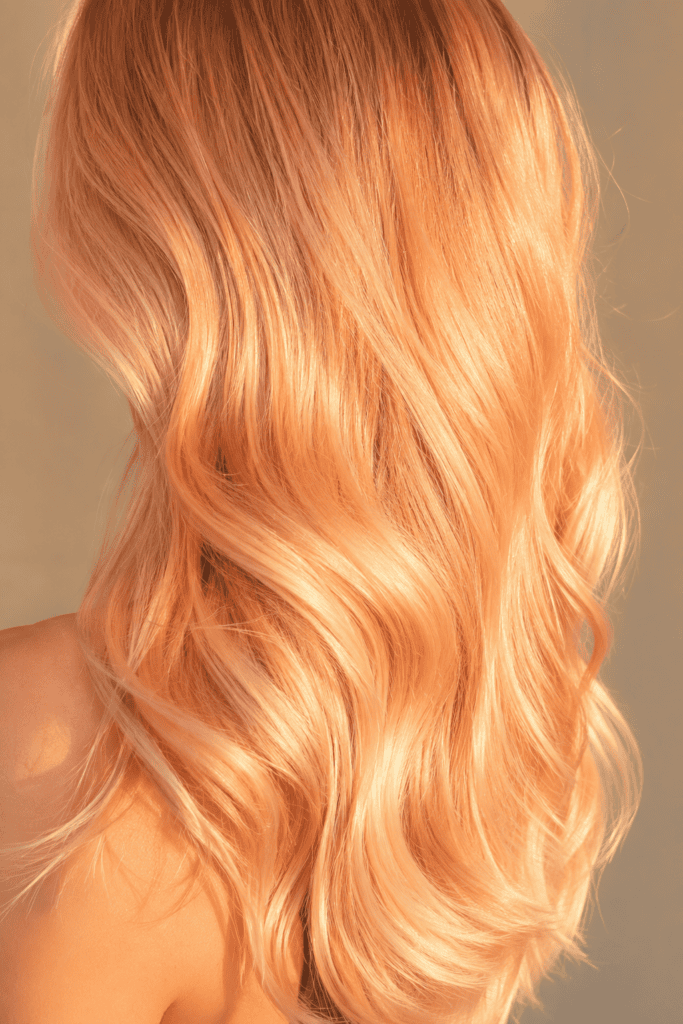
If last year’s cowgirl copper had your heart, apricot blonde is the softer, more wearable cousin. It’s a peachy-gold blend that sits between strawberry blonde and copper without tipping into full “I dyed this myself in a panic” orange territory.
- Best for: warm and olive undertones
- Maintenance: moderate — needs a gloss refresh every 6-8 weeks
- Ask your colorist for: “a peach-gold balayage with low warmth in the roots”
- Price point: expect to pay more than a single-process blonde since it usually needs a custom toner mixed on the spot
I tried apricot blonde myself last winter as a way to fake a tan I definitely did not have, and it worked shockingly well. My colorist mixed a rose-gold and copper toner over pre-lightened foils, and the whole thing cost about what a fancy dinner out would, which felt worth it for three months of compliments.
2. Butter Blonde
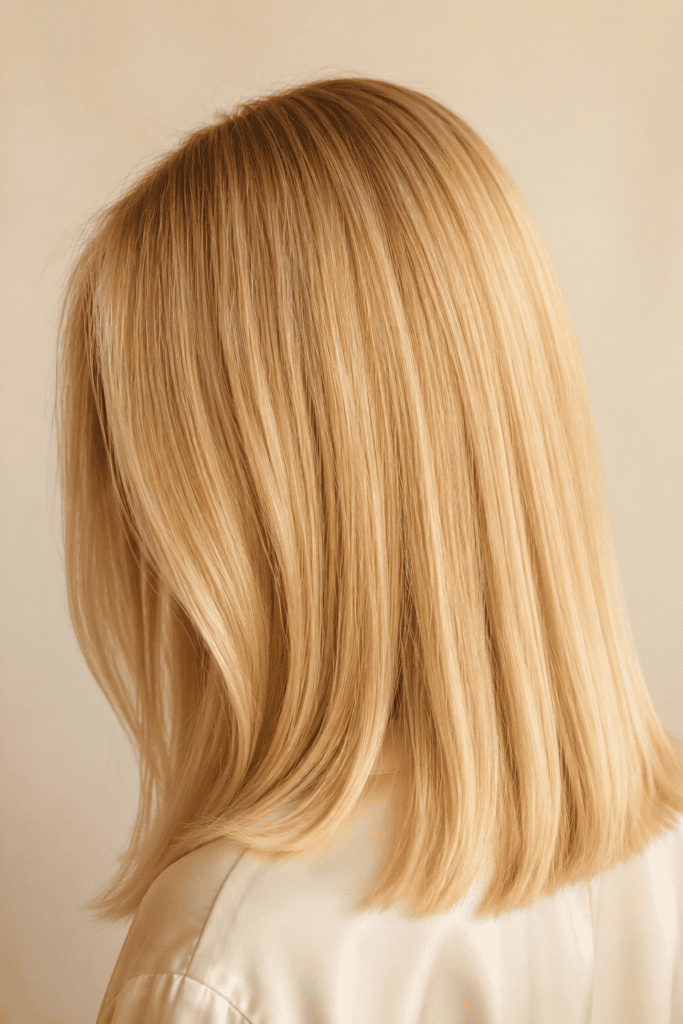
Butter blonde is exactly what it sounds like — creamy, smooth, and rich rather than icy or brassy. I switched to this from a cooler ash blonde last spring and my skin honestly looked healthier overnight, which sounds dramatic but I stand by it.
- Best for: anyone who wants blonde without the constant toning appointments
- Pairs well with: soft, rounded layers rather than blunt cuts
- Home upkeep: a weekly warm-toned hair mask keeps the “buttery” richness from fading into a flat, dull yellow
If your budget doesn’t stretch to a full salon appointment, a good drugstore dupe is any warm-toned “honey blonde” glaze — it won’t lift your hair, but it’ll refresh the tone between salon visits for under $15.
3. Amber Auburn Glow
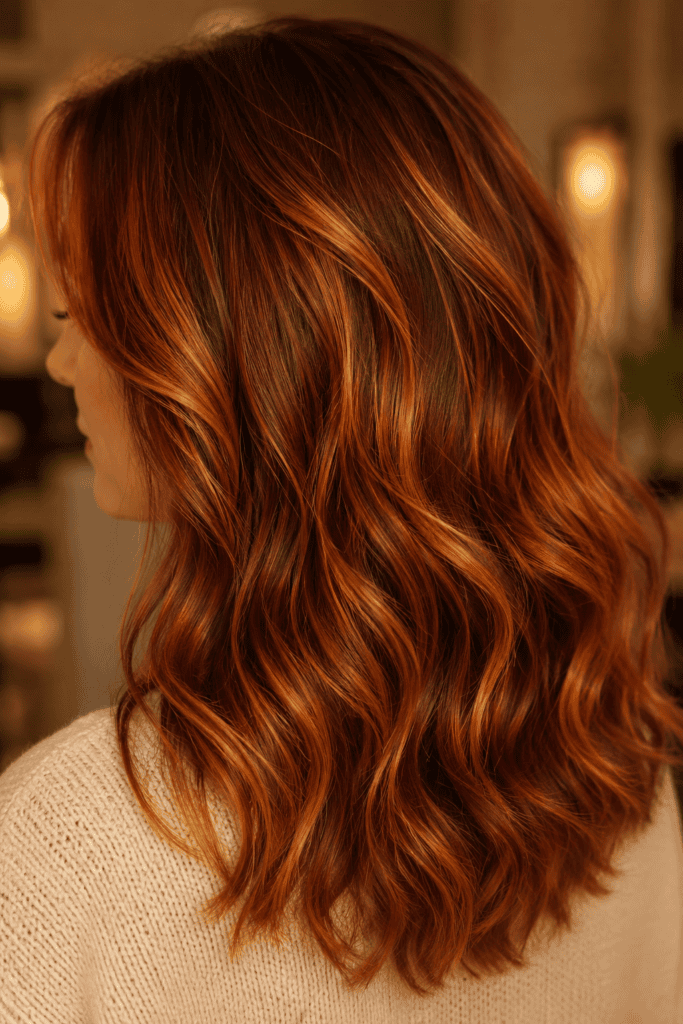
This one’s a rich auburn base layered with copper highlights, and it’s a noticeably softer, lower-maintenance version of the cherry cola and burgundy shades that dominated late 2025. Warm skin tones practically glow under this color — mine certainly did.
- Great for brunettes who want a red without full commitment
- Key tip: ask for highlights woven through, not solid all-over color, or it can look flat under office lighting
4. Cherry Cola
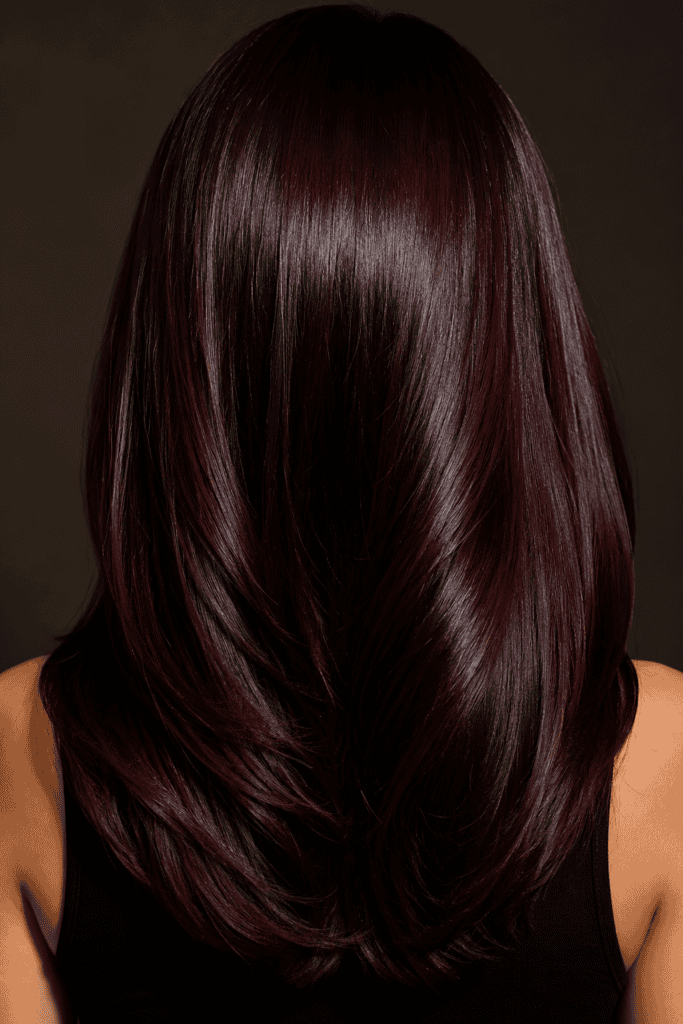
Deep, warm, and just a touch red — cherry cola reads almost black in low light but reveals a rich burgundy undertone in the sun. Who hasn’t wanted hair that looks mysterious indoors and expensive outdoors? This is that color.
- Works on: dark brown to black natural bases (minimal lift required)
- Fades gracefully into a soft brunette, so regrowth isn’t jarring
5. Chocolate Brown
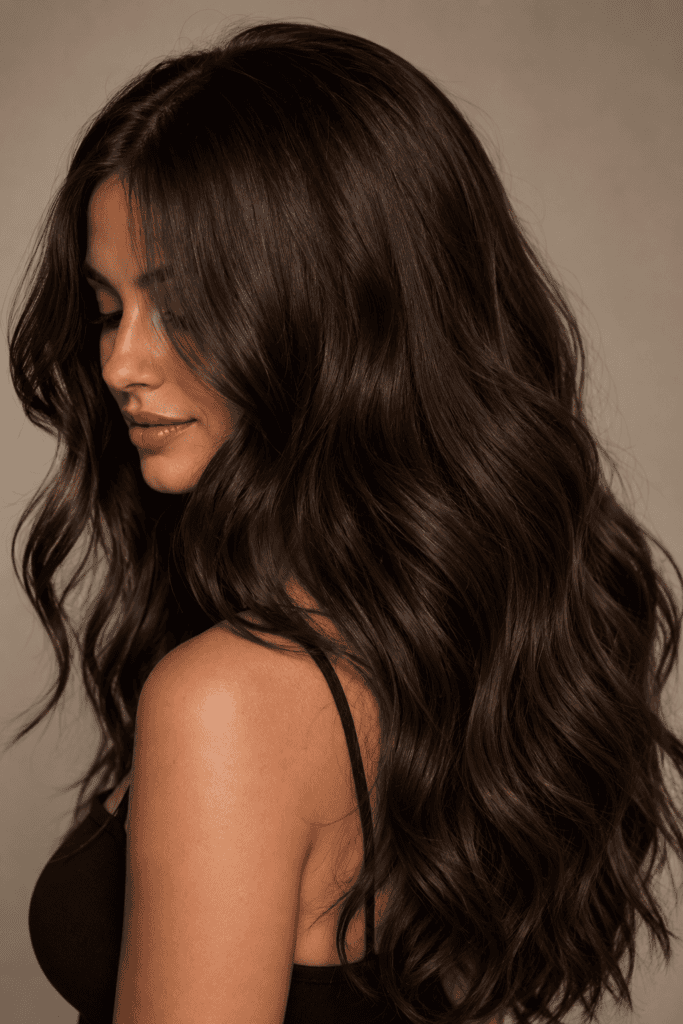
Rich, warm, and glossy — this is the color everyone means when they say they want “healthy-looking brunette hair.” I tried a version of this after my orange-marshmallow phase and it fixed literally everything.
- Best for: covering grays with a natural warm finish
- Bonus: it’s one of the most forgiving colors to grow out
6. Espresso Brown / Molten Brunette
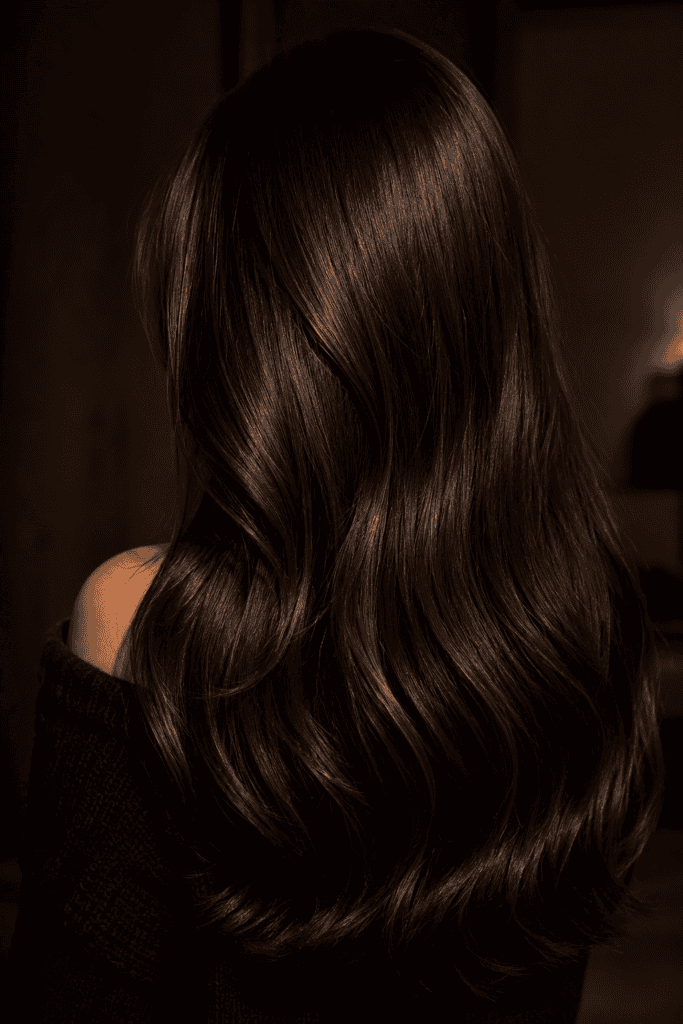
Dark, mysterious, and layered with hints of chestnut instead of flat black pigment. This is not your mom’s “level 2 brown-black box dye” — it has actual movement and depth when the light hits it.
- Ask for: a gloss with warm chestnut reflects, not just a flat dark tint
- Avoid if: your skin has cool, pink undertones — this can wash you out
7. Glowing Sienna
A warmer, terracotta-leaning red that sits between auburn and copper. It’s subtle enough for the office but bold enough that people will ask what you did differently.
Cool tones flatter pink, blue, or neutral undertones, and honestly, they’re having a real moment again after a few years of everyone chasing warm balayage. Why does everyone look good in camel coats except me? Spoiler: I’m cool-toned and camel is a warm color. Same logic applies to hair.
8. Ethereal Platinum Blonde
Pale, ethereal, almost sparkly white-blonde. Colorists are calling this a comeback thanks to Pantone naming an airy, cloud-white shade as its 2026 Color of the Year, and the timing lines up almost too perfectly.
- Fair warning: this is a high-maintenance color requiring monthly toning
- Best suited to: naturally light or previously-lightened hair (going platinum from virgin dark hair in one sitting can seriously damage strands)
- Budget for: a bond-repair treatment at every appointment, non-negotiable, because this level of lift is genuinely hard on hair
A friend of mine went from box-dyed dark brown straight to platinum in one twelve-hour salon marathon, and honestly, I’d never recommend it. It’s doable, but the healthier route is stretching the lightening process across two or three appointments a few weeks apart.
9. Icy Blonde
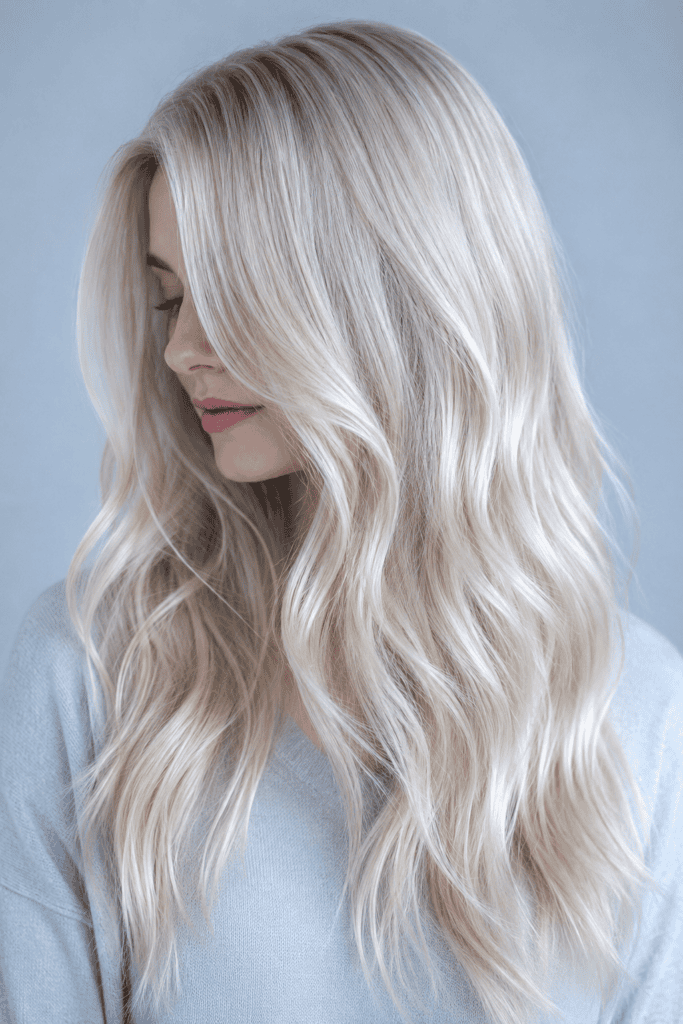
Slightly less extreme than platinum, icy blonde keeps a whisper of gold underneath a cool, silvery toner. It’s the “I still want to look human” version of platinum.
- Requires: a purple or blue-toned shampoo at home to fight brassiness between appointments
- I use mine twice a week, and yes, it does turn my shower floor slightly purple. Worth it.
10. Midnight Brunette
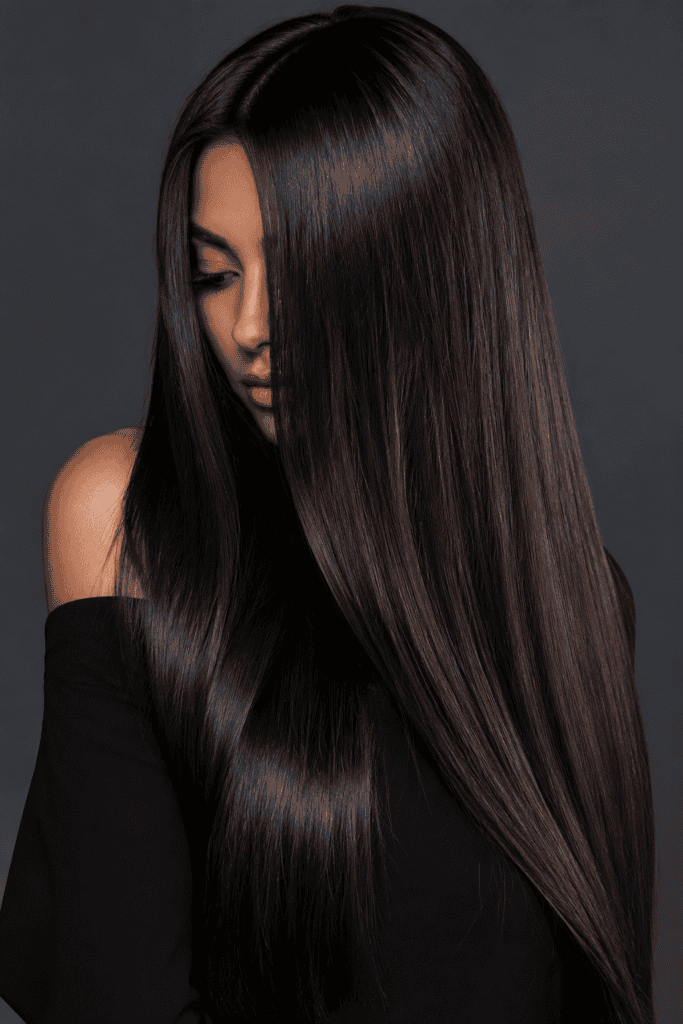
This shade sits right at the edge of black without actually crossing into flat black. It blends deep brown with soft black for a glossy, mirror-shine finish that genuinely makes your eyes pop.
- Best for: cool or neutral undertones with dark natural hair
- Key advantage: almost zero root maintenance if your natural color is already dark
11. Rooted Cool Blonde
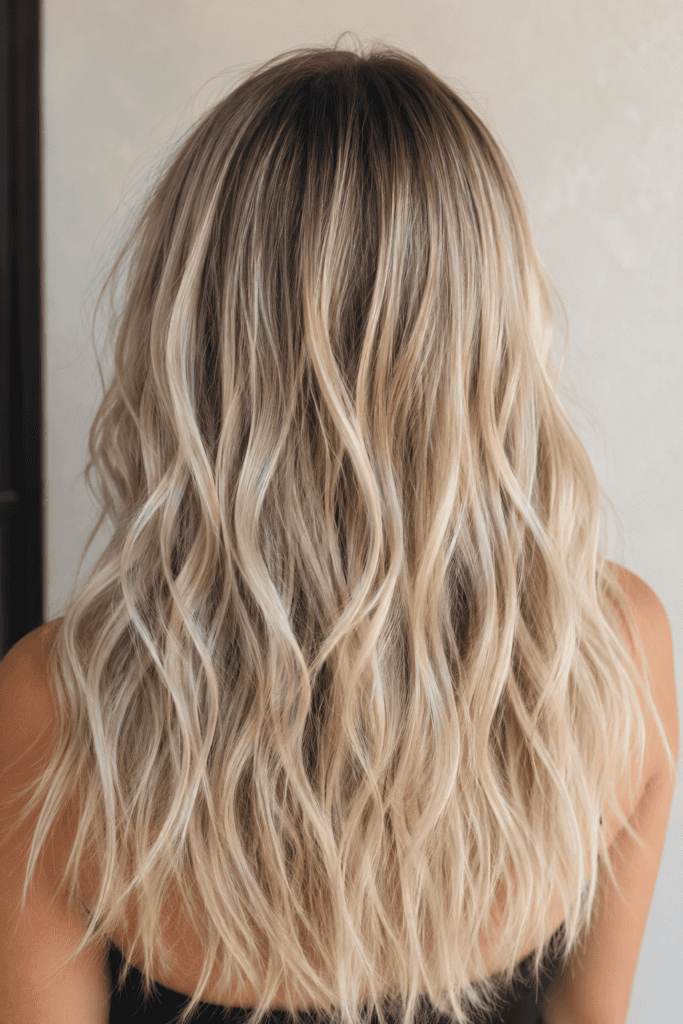
Instead of bleaching everything, colorists are leaning into blondes that stay rooted and seamless near the scalp. It looks less “I just left the salon” and more “this is genuinely my hair.”
- Great for: growing out previous all-over color without an awkward transition phase
- Saves you money too — fewer root touch-ups means fewer appointments
12. Cool Copper
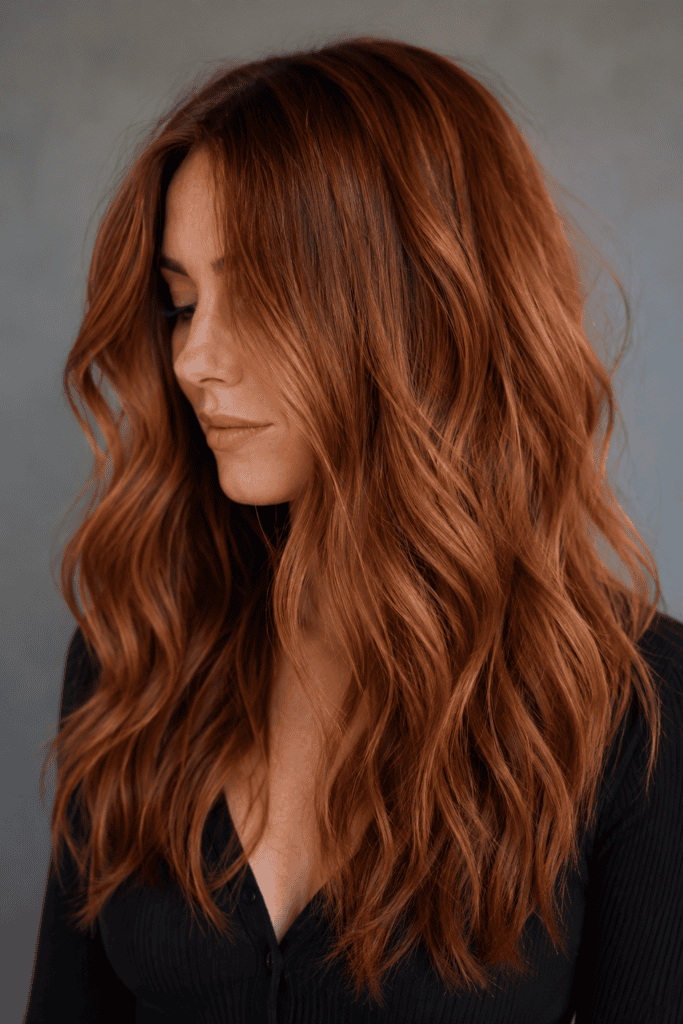
Here’s where I’ll have an opinion: I prefer cool copper over the classic fiery orange-red copper that was everywhere a few years back, and here’s why — it’s softer on cool undertones and doesn’t scream for attention the second you walk into a room. Coppers this year are softening into more neutral, wearable territory instead of the eye-searing “fire engine” shade from a couple of years ago.
13. Silver Smoke Brunette
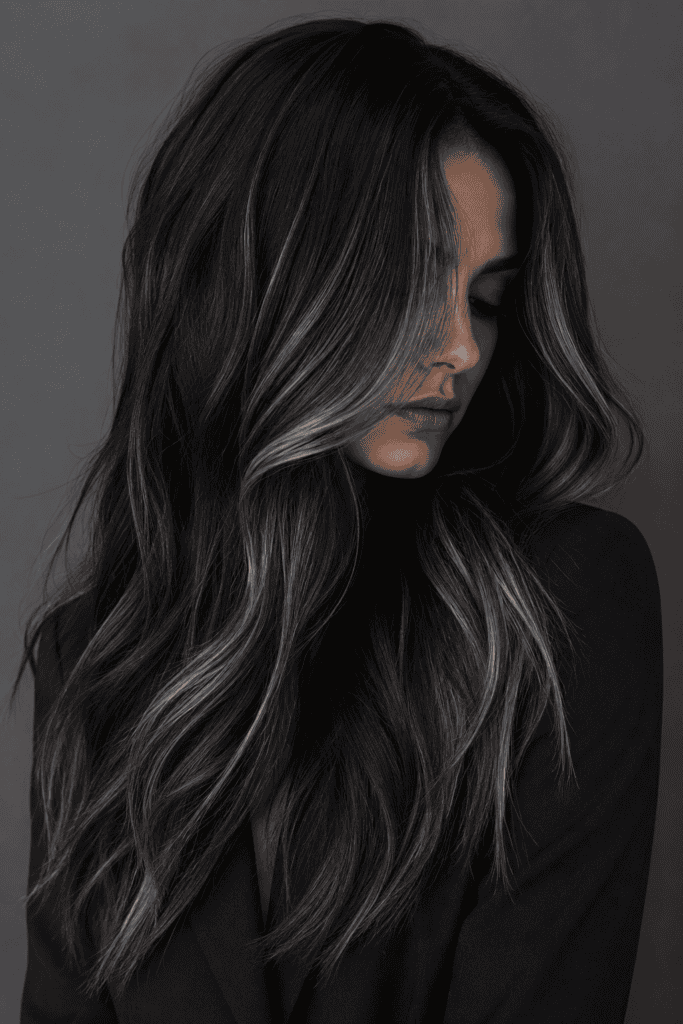
A dark brunette base with subtle smoky, almost silver-gray dimension woven through. It sounds like it shouldn’t work, but on cool undertones it reads sophisticated rather than “premature gray.”
This next batch is for people who get bored easily. FYI, these colors generally need more upkeep, so go in with realistic expectations about salon visits.
14. Jewel-Toned Hair
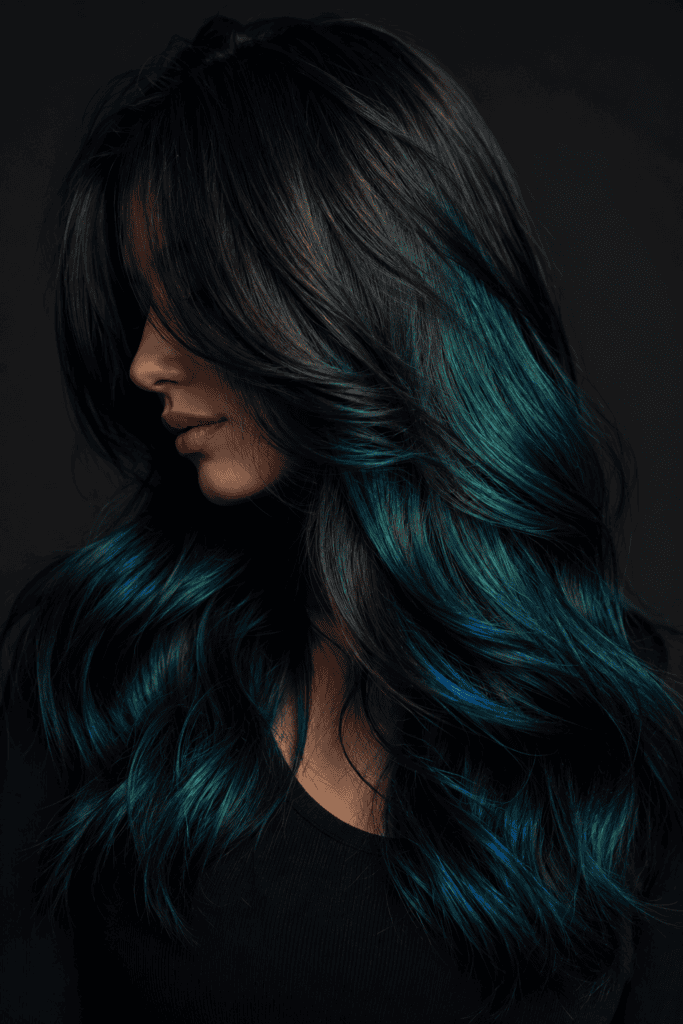
Deep emerald, sapphire, and amethyst undercurrents woven through darker bases are back in a big way this year, and metallics, jewel tones, and creative color stories are showing up across runway and celebrity looks alike. You can dip a toe in with subtle underlights, or go full statement with an all-over jewel tone — no judgment either way.
- Low-commitment option: ask for jewel-toned money pieces framing your face
- High-commitment option: all-over deep emerald or sapphire base
- Upkeep: fantasy colors like these fade faster than natural shades, so plan on a color-safe, sulfate-free shampoo and cooler shower temperatures if you want them to last
I went with sapphire underlights for a friend’s wedding last year — nothing too permanent, just enough to feel fun for the weekend. It faded to a soft gray-blue ghost of itself within a month, which honestly ended up looking pretty cool on its own.
15. Candlelit Brunette
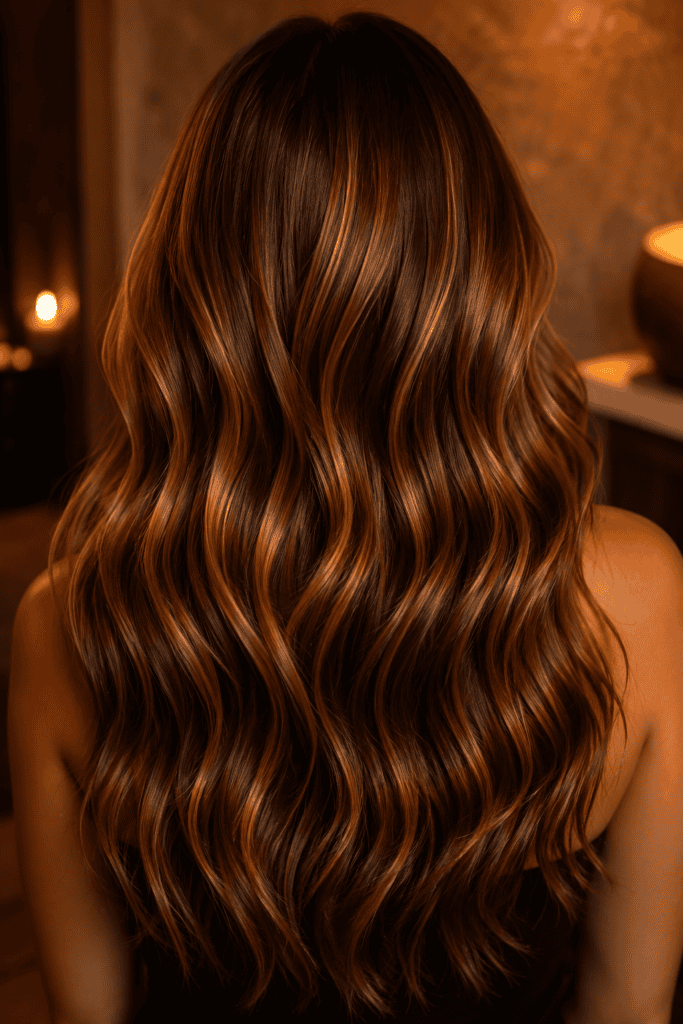
Picture a rich brunette with warm, flickering gold and copper undertones that seem to catch light like an actual candle flame. It’s the brunette answer to “your-hair-but-better,” and it’s easily my favorite entry on this whole list.
16. Pink and Teal Peekaboos
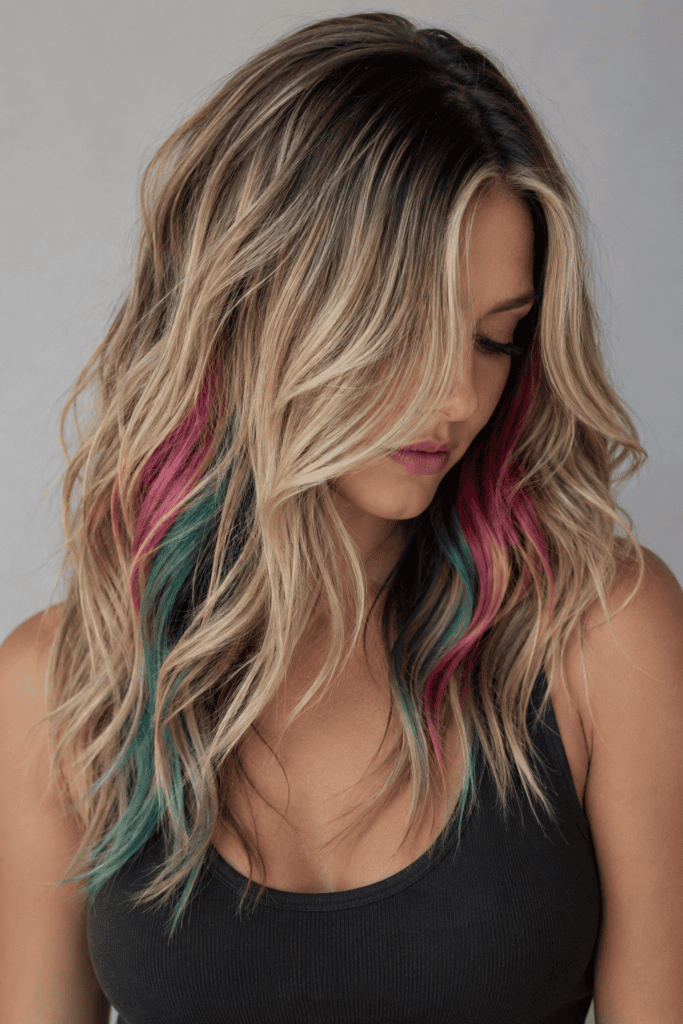
Bold pops of pink or transformative teal streaks peeking through grown-out, rooty blonde are picking up steam for the back half of the year. It’s a genius way to test a wild color without committing your entire head to it.
- Placement tip: underneath the top layer so you can flash it or hide it depending on your mood (and your workplace dress code)
17. Ninety’s-Inspired High Contrast
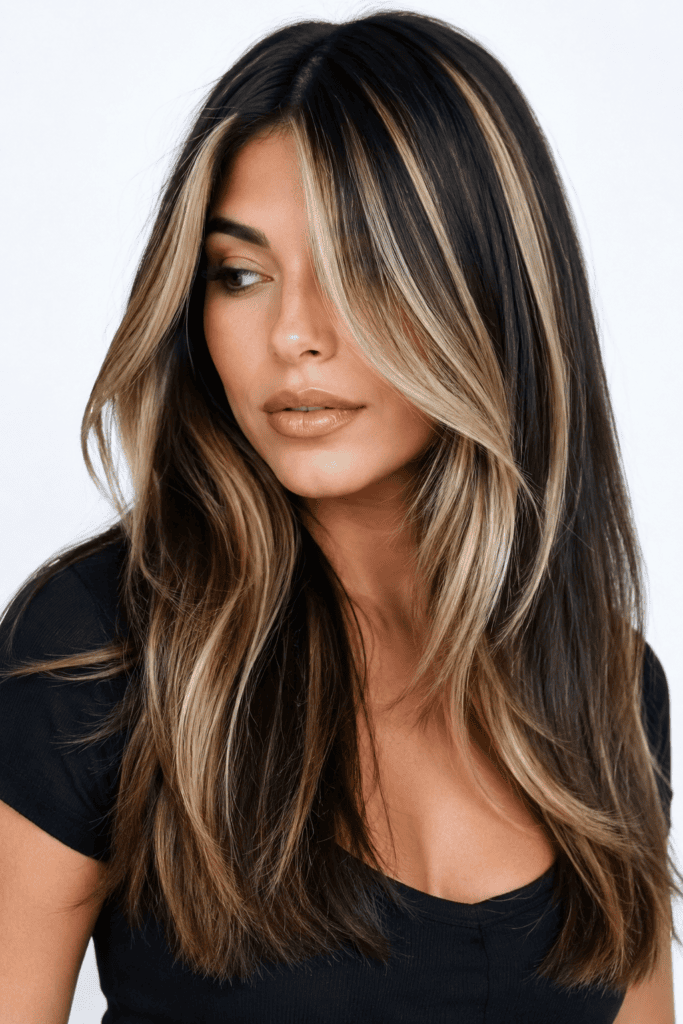
Bright, high-impact color with real contrast and dimension is making a comeback, channeling that unmistakable late-90s and early-2000s energy — think chunky highlights but done with a modern, glossy finish instead of the flat, stripey version we all remember (and, for some of us, regret).
How to Actually Choose Your Shade
Standing in front of 17 options is genuinely overwhelming, so here’s how I narrow it down for myself and my friends:
- Check your undertone first. Pink or blue undertones lean cool; golden or peachy undertones lean warm. Olive skin can usually go either way.
- Be honest about your maintenance tolerance. Platinum and jewel tones need monthly appointments. Chocolate brown and midnight brunette barely need touch-ups.
- Think about your current base color. Going from black to platinum in one sitting isn’t a “quick trip to the salon,” it’s months of careful lightening.
- Bring reference photos, but ask your colorist to adjust for your specific skin tone rather than copying the photo exactly. What looks amazing on someone else’s undertone can look flat on yours.
- Ask about the growing-out phase. Some of these shades, like midnight brunette and chocolate brown, fade gracefully. Others, like ethereal platinum, will show a visible root line within a few weeks.
At-Home Options and Dupes: What If I Can’t Get to the Salon This Month?
Not every one of these looks needs a full salon appointment, and I’ll be the first to admit I’m not made of money. TBH, half my “maintenance routine” happens in my own bathroom with a box dye and a lot of aluminum foil I bought off Amazon.
- For butter blonde or chocolate brown: a demi-permanent glaze from the drugstore refreshes tone between salon visits without touching your natural level.
- For candlelit brunette: a warm-toned gloss treatment, applied over an already-brunette base, adds shine and gold undertones without needing bleach.
- For pink or teal peekaboos: semi-permanent, direct-dye color sprays or clip-in colored extensions let you test the trend for a single event before committing to anything permanent.
- For icy or platinum blonde: a purple shampoo bar is a genuinely underrated dupe for the pricier purple conditioning masks — same effect, longer bottle life, usually half the cost.
If you’re coloring virgin or previously chemically-treated hair at home, always do a strand test first. I skipped that step exactly once, ended up with patchy, uneven color, and had to book an emergency corrective appointment that cost far more than if I’d just tested a small section first.
Final Thoughts
The overall mood for hair color in 2026 is healthy, glossy, and a little effortless — colors that look expensive without demanding constant upkeep. Whether you’re drawn to a warm amber auburn glow, an icy platinum moment, or a cheeky teal peekaboo, there’s a shade on this list that fits your life, not just your Pinterest board.
My personal pick? I’m sitting somewhere between candlelit brunette and cool copper right now, and honestly, I might just get both at different times this year.