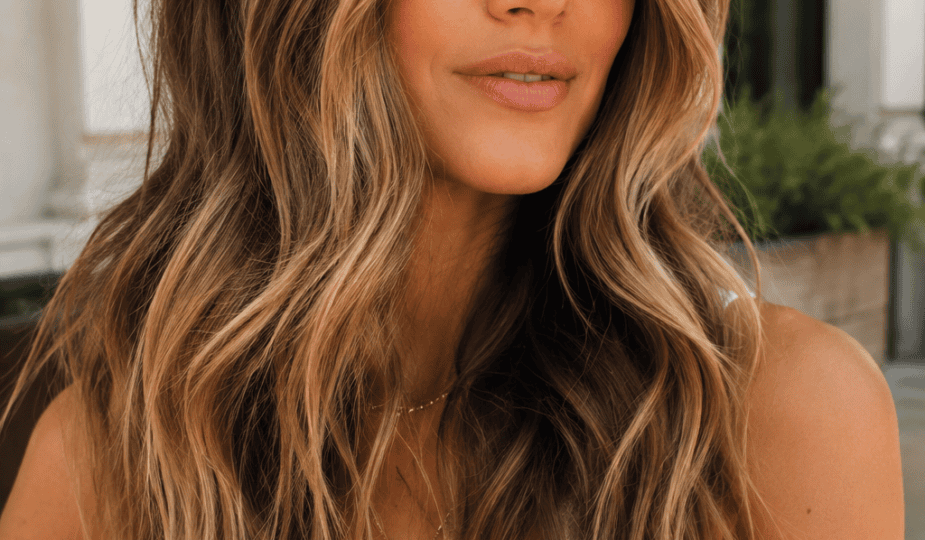
Brown hair gets called “boring” way too often, and honestly, it’s exhausting. Caramel balayage is the fix nobody talks about enough—it adds warmth, dimension, and movement without dragging you into a full salon commitment. If you’ve been staring at your reflection wondering why your brunette feels flat, this is your sign to keep reading.
Balayage, for anyone who needs the quick refresher, is a hand-painted highlighting technique. Unlike foils, which create harsh, uniform stripes, balayage builds a soft gradient that grows out gracefully. TBH, that’s the real selling point—less maintenance, more natural glow. Pair that technique with caramel tones and you get a brunette that looks sun-kissed 365 days a year.
Below are 10 caramel balayage ideas that suit different hair lengths, skin tones, and commitment levels. Whether you want a subtle shift or a dramatic transformation, one of these will fit.
1. Classic Caramel Ribbons
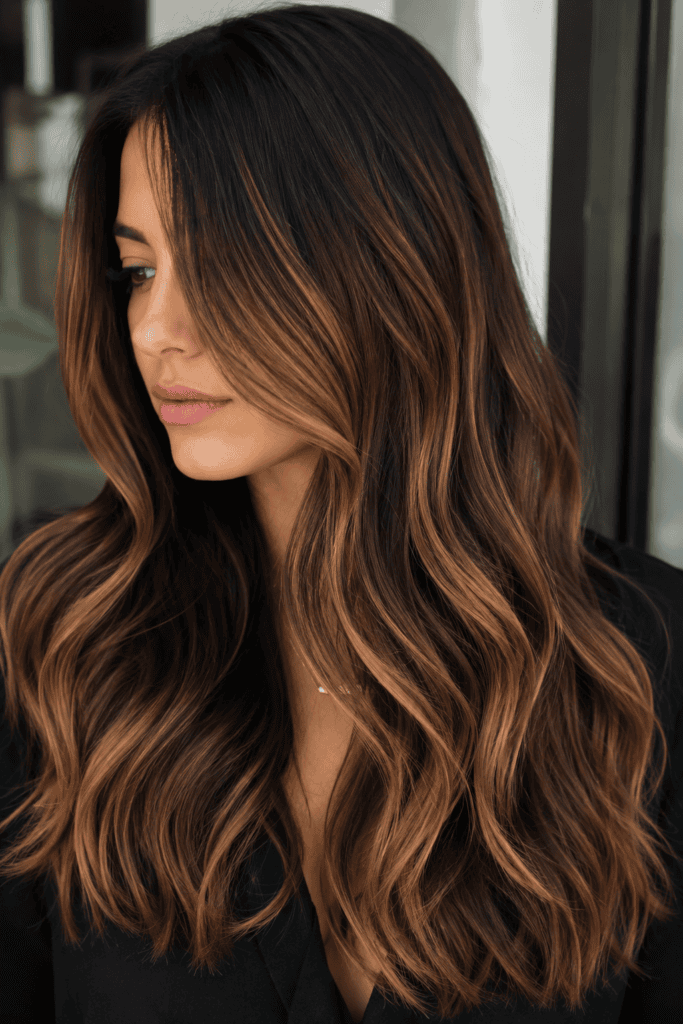
This is the balayage everyone pictures when they hear “caramel highlights.” Thin, soft ribbons of caramel weave through a medium brown base, concentrated around the face and through the mid-lengths to ends.
Why it works:
- Flatters almost every skin tone, from fair to deep
- Grows out with minimal visible regrowth line
- Works on straight, wavy, or curly textures
Ask your stylist for a low-maintenance placement, meaning the color starts a few inches from the root. That’s the detail that keeps this look wearable for months instead of weeks.
2. Money Piece Caramel
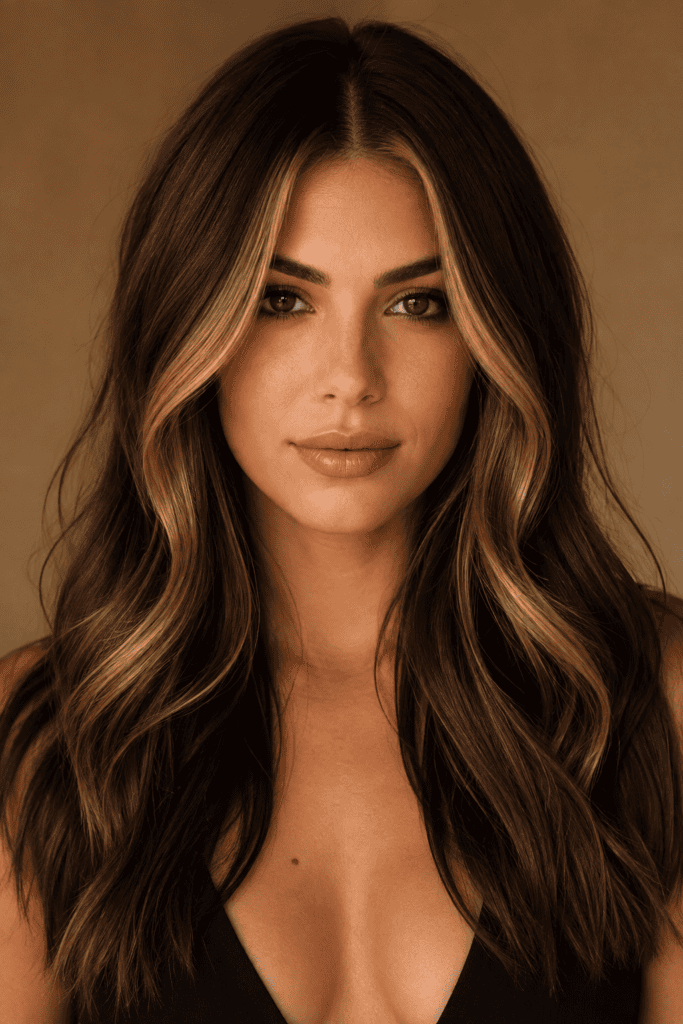
The “money piece” refers to the two face-framing pieces that get the lightest, brightest color. For brunettes, a caramel money piece brightens the face instantly—no makeup required.
Best for:
- Anyone who wants maximum brightness with minimal color overall
- Shorter appointment times (and shorter bills)
- Hair that’s still mostly its natural brunette shade elsewhere
Why does everyone look good in camel coats except some people? Usually it’s a shade mismatch, and the same logic applies here—matching the caramel to your undertone matters more than the placement itself.
3. Caramel Balayage on Dark Brown Hair
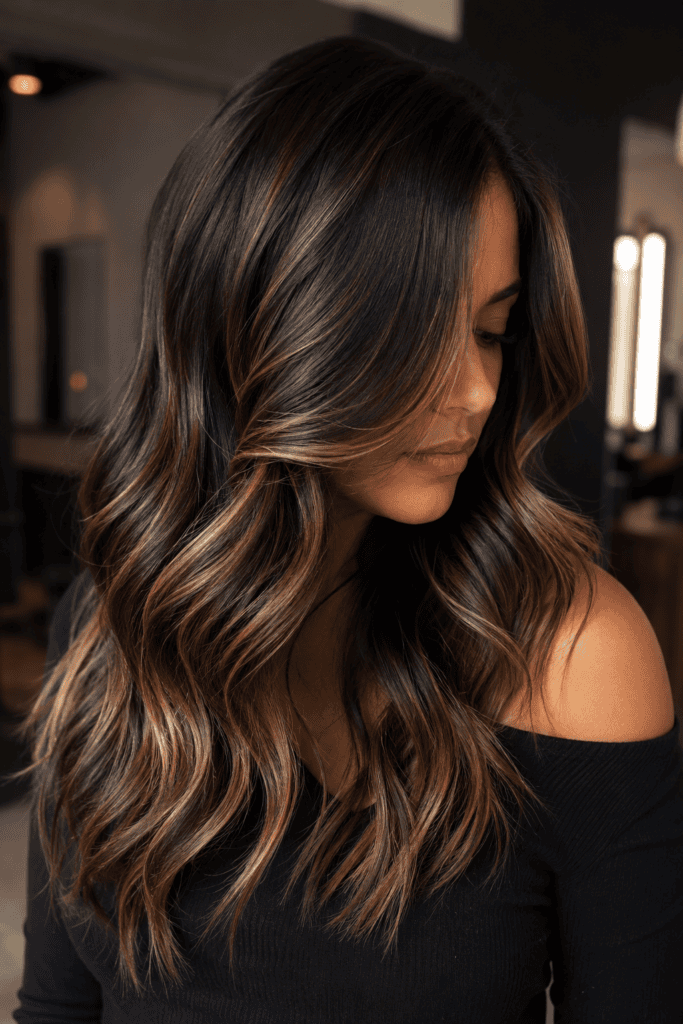
Dark brown bases hold color differently than medium brown, so the caramel needs to be applied more strategically to avoid a brassy result. A skilled colorist will layer the caramel in sections rather than blending it uniformly.
Key styling notes:
- Ask for a glaze after the balayage to control warmth
- Expect deeper, richer caramel tones (think butterscotch, not honey)
- Deep conditioning treatments become non-negotiable with this combo
Dark bases show off contrast beautifully, so this option reads as bold even with a small amount of lightening.
4. Caramel and Honey Blend
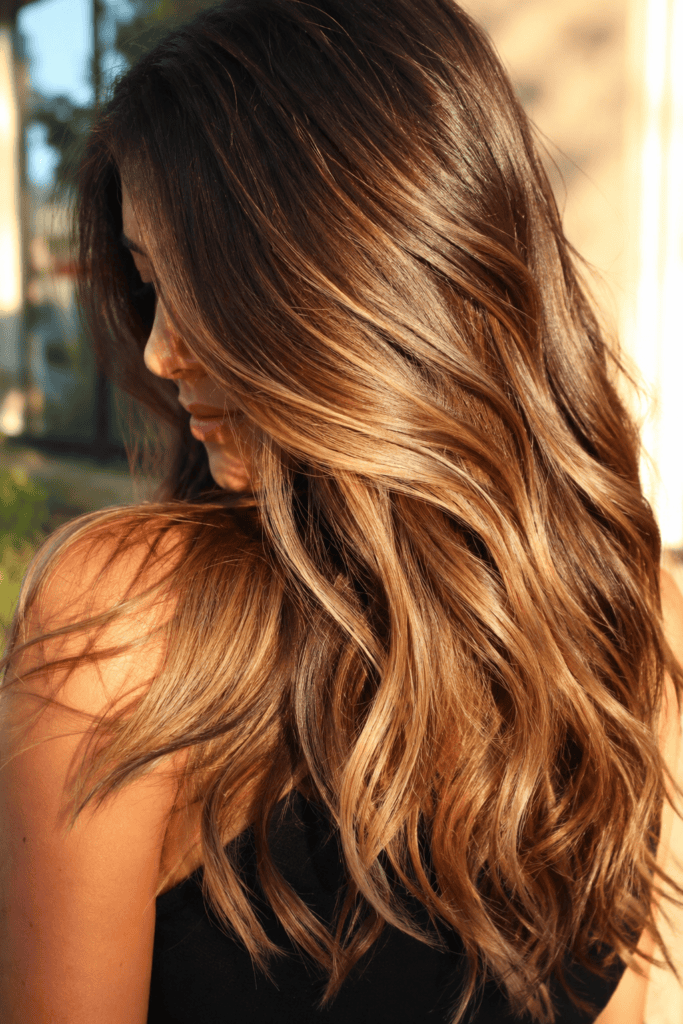
Mixing two warm tones—caramel and honey—creates a multidimensional look that’s harder to pull off with a single shade. The honey adds brightness near the surface while the caramel provides depth underneath.
This blend photographs exceptionally well in natural light, which is worth mentioning if your OOTD posts matter to you. The layered tones catch light differently depending on the angle, giving hair a glassy, almost lit-from-within finish.
5. Root-Smudged Caramel Balayage
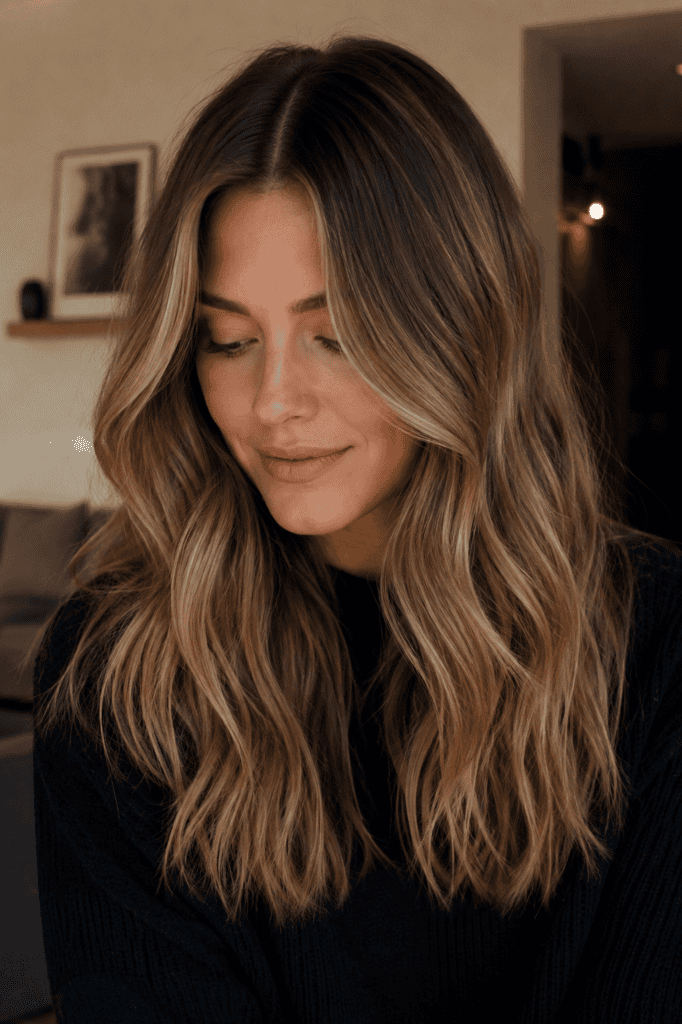
A “root smudge” softens the transition between your natural root color and the balayage, using a shadow root technique. Instead of a hard line, the color melts gradually.
Advantages:
- Extends time between salon visits significantly
- Suits brunettes who want to grow out previous highlights
- Reduces the appearance of regrowth on camera and in photos
This is arguably the most practical option on this list for anyone who dreads root touch-up appointments.
6. Caramel Balayage for Short Hair
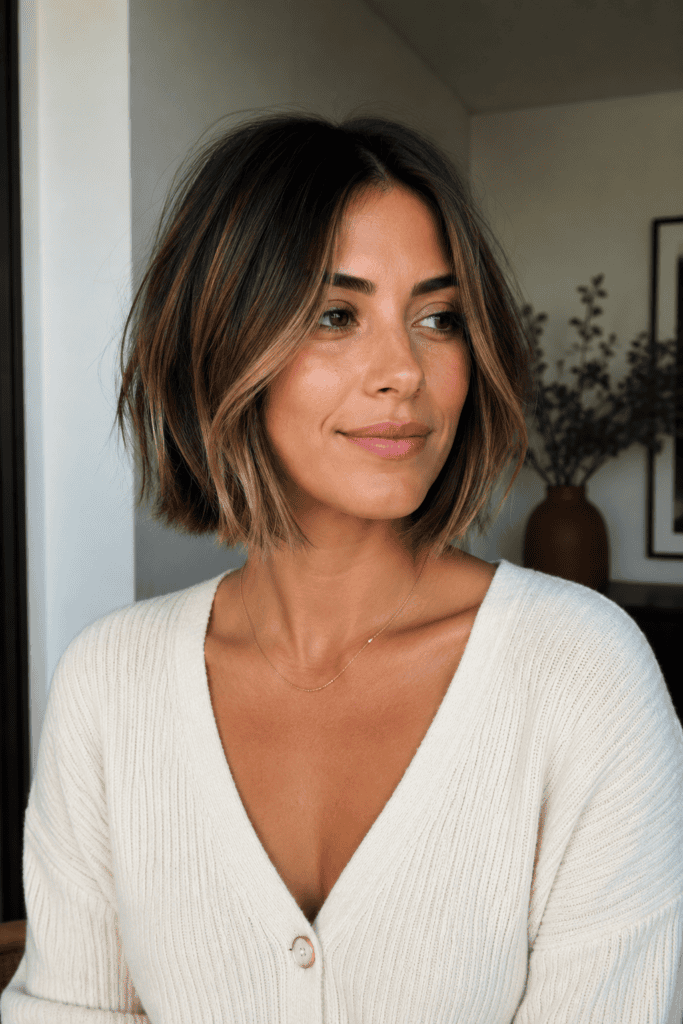
Balayage isn’t reserved for long lengths. On a bob or lob, caramel pieces placed strategically around the face and at the ends create dimension without overwhelming a shorter cut.
Placement tips for short styles:
- Focus color near the crown and face-framing pieces
- Keep the back more subtle to avoid a stripe-like effect
- Request finer sections for a softer, more blended finish
Short hair grows out faster in appearance simply because there’s less length to disguise regrowth, so a lighter hand with the caramel pays off here.
7. Caramel Balayage with Copper Undertones
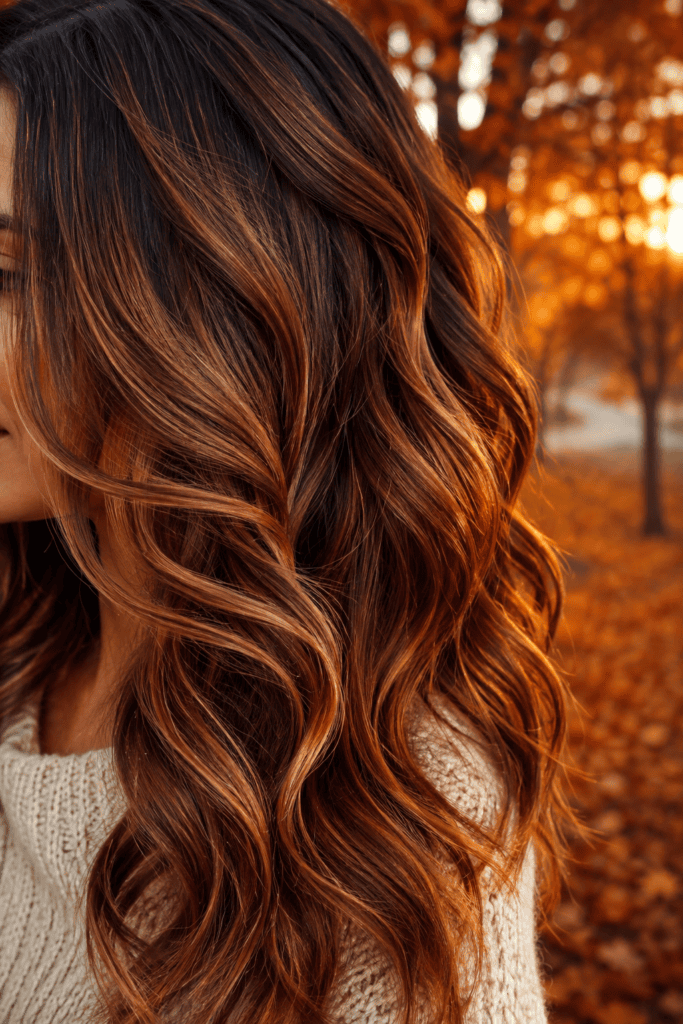
Adding copper into the caramel mix warms things up even further, leaning into red-brown territory. This combination suits brunettes with warm or neutral undertones and looks particularly striking in autumn light.
Who this suits:
- Warm or neutral skin undertones (test with jewelry—gold flatters warm tones)
- Anyone wanting a seasonal refresh without a full color change
- Hair that already has natural red undertones
IMO, this is the most underrated combination on the list. Copper-caramel blends rarely look artificial, which is more than can be said for some trend-driven color combos.
8. Caramel Balayage on Curly Hair
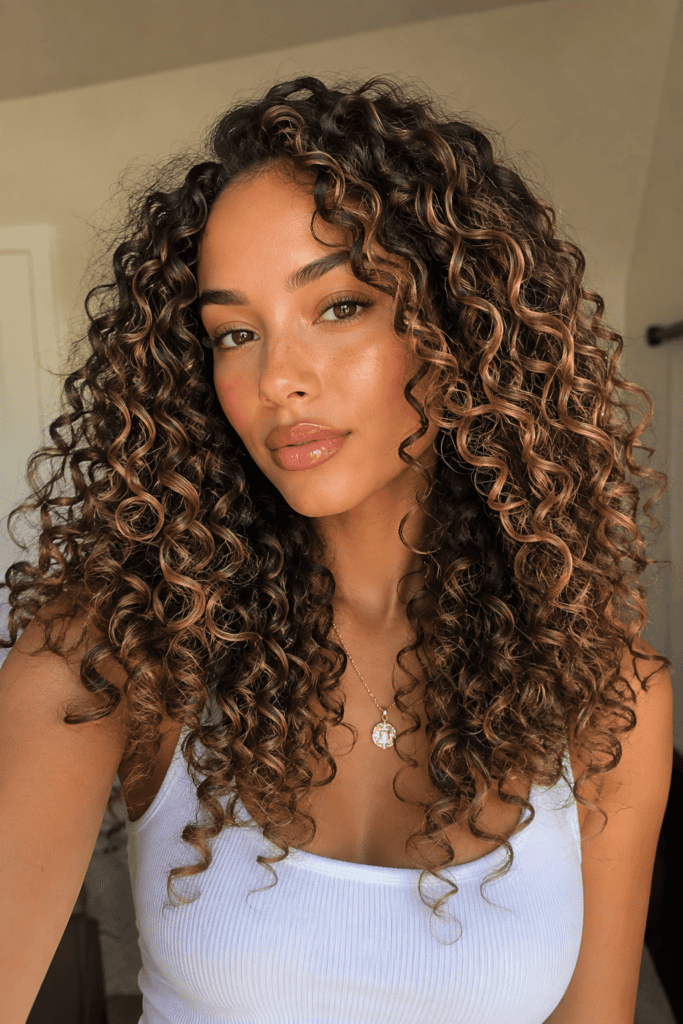
Curls bend and catch light in ways straight hair doesn’t, so caramel balayage on curly hair needs a different placement strategy. Colorists typically paint along the curl pattern itself rather than in straight sections.
What to expect:
- Color appears more diffused once curls form (a curl clump can contain several painted strands)
- Slightly more color may be needed compared to straight hair to achieve visible dimension
- A curl-specific gloss afterward helps maintain shine and definition
The result moves beautifully—each curl reveals a slightly different shade as it catches the light.
9. Caramel Balayage with a Bronde Base
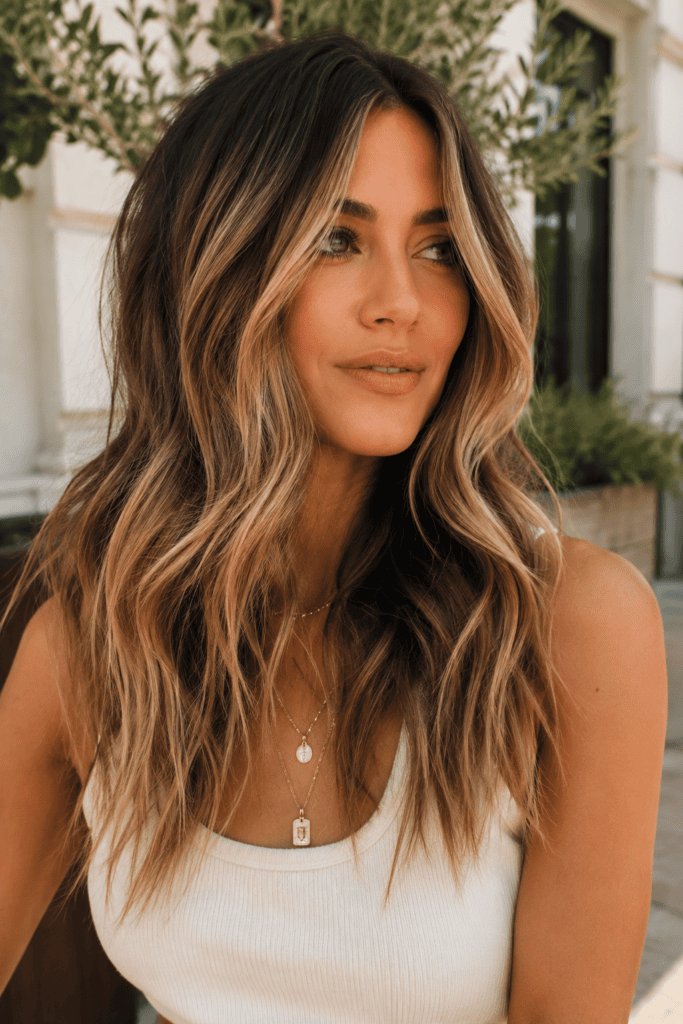
“Bronde” sits between blonde and brown, and pairing it with caramel balayage creates one of the lower-maintenance color combinations available. The base itself is already lighter, so the balayage acts more as an accent than a dramatic shift.
Practical benefits:
- Fewer salon visits required to maintain the overall look
- A softer, sun-kissed appearance that reads natural
- Easier to transition into or out of compared to a full color change
This option works well for brunettes who are curious about going lighter but aren’t ready to commit fully.
10. Caramel Balayage with Face-Framing Highlights Only
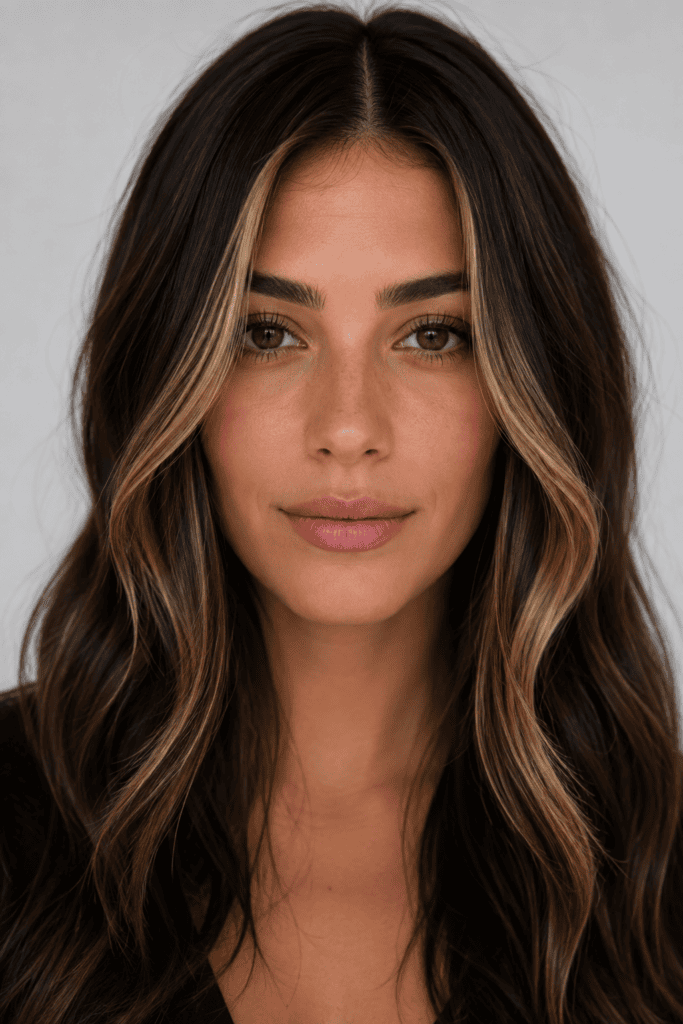
Sometimes less really is more. Concentrating caramel balayage exclusively around the face—skipping the rest of the hair entirely—delivers brightness exactly where it matters: right around your features.
Why choose this option:
- Shortest salon appointment of any style on this list
- Most budget-friendly balayage option
- Subtle enough for workplaces with conservative dress codes
This is a solid starting point for anyone testing whether balayage suits them before committing to a fuller application.
How to Maintain Caramel Balayage
Balayage requires less upkeep than traditional foils, but “less” doesn’t mean “none.” A few habits keep the color looking fresh:
- Use color-safe shampoo and conditioner to slow fading
- Apply a toning gloss every 6–8 weeks to prevent brassiness
- Limit hot tool use or apply heat protectant every time
- Schedule a trim every 8–10 weeks to keep ends from looking dull
- Avoid chlorine exposure without protective spray or a swim cap, since chlorine pulls warmth out of lightened strands fast
Skipping these steps is how caramel balayage turns brassy or uneven within a few months. Consistent maintenance is what separates a salon-fresh look from a faded one.
Choosing the Right Caramel Shade for Your Skin Tone
Not every caramel shade suits every complexion, and this is where a lot of balayage disappointments start. General guidelines:
- Fair skin with cool undertones: lean toward a lighter, ashier caramel to avoid an orange cast
- Fair skin with warm undertones: golden caramel tones blend seamlessly
- Medium skin tones: most caramel shades work well; this is the widest range of flexibility
- Deep skin tones: richer, deeper caramel with copper or bronze undertones tends to look most intentional
A consultation before the appointment is worth the extra 15 minutes. Bringing reference photos helps a stylist mix the right formula instead of guessing.
What Caramel Balayage Costs and Where to Get It Done
Pricing varies by region, salon tier, and hair length, but a rough guide:
- Face-framing only: typically the least expensive option
- Partial balayage (money piece plus a few sections): mid-range pricing
- Full balayage: highest cost, especially on long or thick hair
- Additional gloss or toner: usually a separate line item
Booking with a colorist who specializes in balayage—rather than a generalist—tends to produce better, longer-lasting results. Ask to see their previous balayage work specifically, not just general color photos.
Final Thoughts
Caramel balayage gives brunettes a way to add warmth and depth without abandoning their natural color entirely. From subtle face-framing pieces to full copper-caramel blends, there’s a version of this trend for every hair type, length, and maintenance preference.
Pick the option that matches your lifestyle first, then worry about the exact shade. A low-maintenance placement that fits your schedule will always outperform a dramatic look you can’t keep up with.