
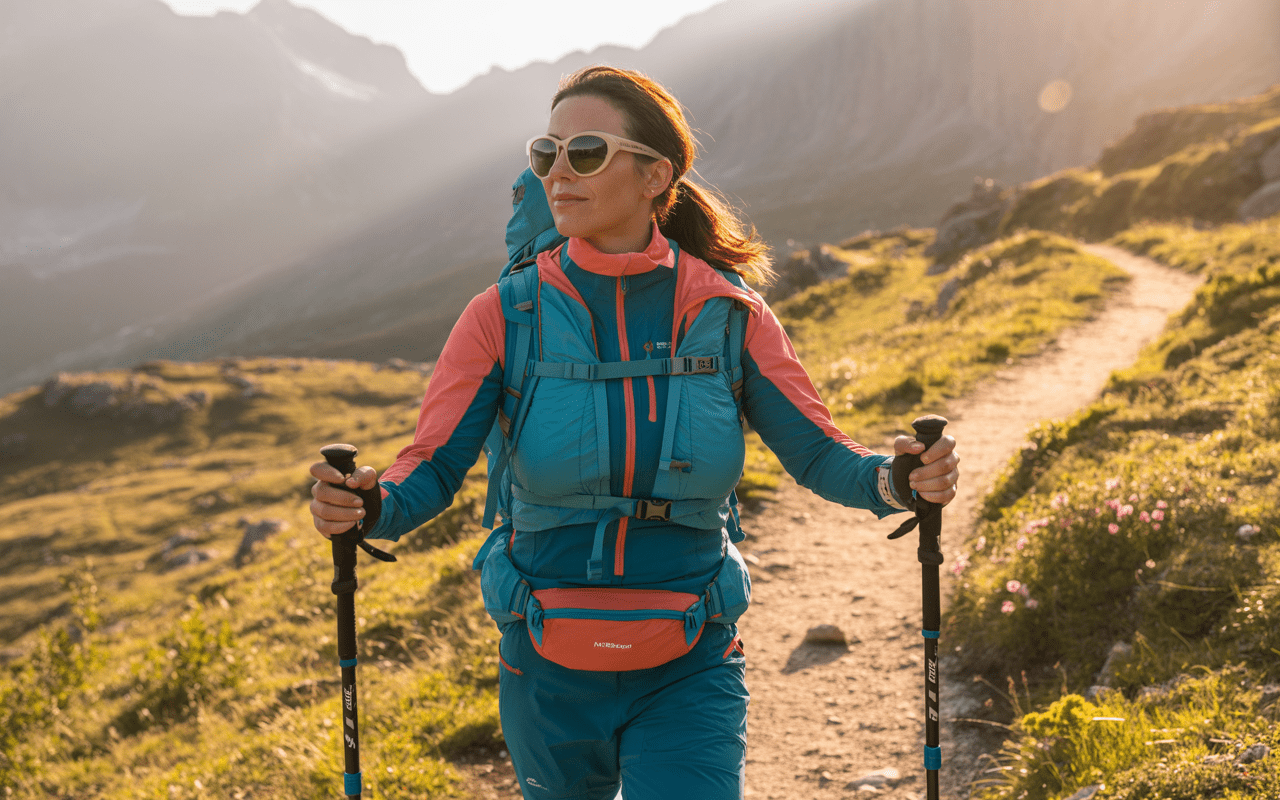
So you’ve decided to embrace your inner outdoorsy woman. Amazing! But here’s the thing—I spent way too many hikes looking like I raided a camping store from 1995 before I figured out that trekking outfits don’t have to scream “I gave up on style.” TBH, finding cute hiking gear that actually performs felt like searching for a unicorn. But after countless trail mishaps (yes, I once wore cotton leggings in the rain—never again), I’ve cracked the code. Let me save you from my fashion crimes and show you how to look good while conquering those trails.
The Moisture-Wicking Wonder
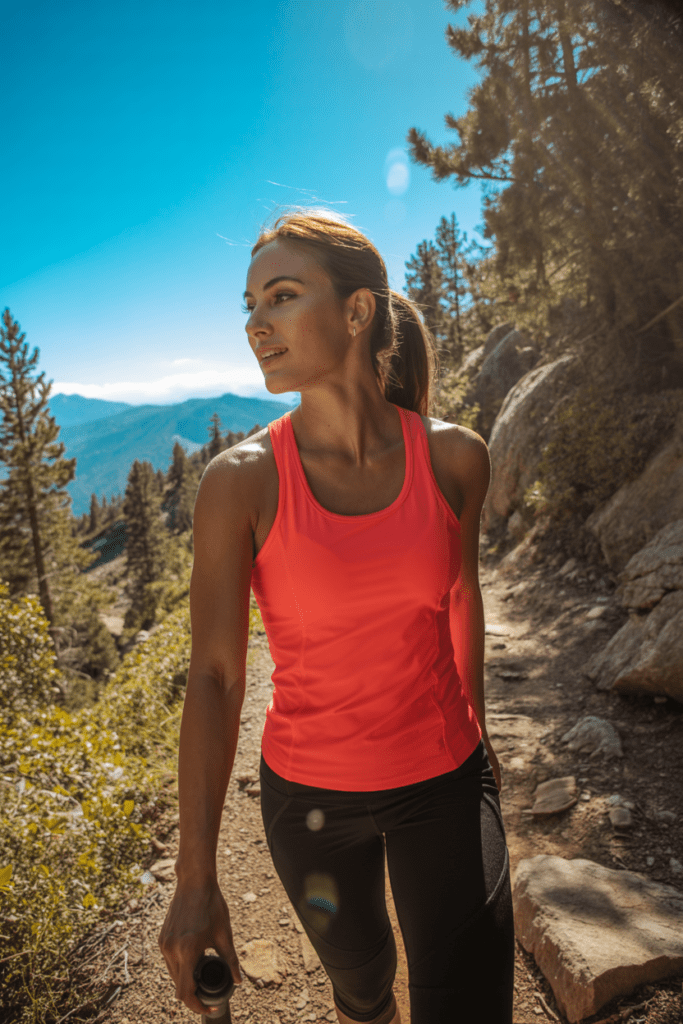
Moisture-wicking base layers are your new best friend. Seriously, this isn’t me being dramatic.
I learned this the hard way during a summer hike when I thought my cute cotton tank would be fine. Spoiler alert: it wasn’t. Cotton holds moisture like it’s auditioning for a sponge commercial, leaving you feeling gross and uncomfortable. Synthetic fabrics or merino wool pull sweat away from your body, keeping you dry and happy.
Here’s what I pack for my base layer game:
- Lightweight polyester or nylon tops in fun colors (because who says technical gear has to be boring?)
- Merino wool tees for cooler weather—they’re naturally odor-resistant, which is clutch on multi-day treks
- Seamless sports bras designed for high-impact activities
- Quick-dry underwear (trust me, this matters more than you think)
The key is choosing pieces that fit snugly but not restrictively. You want them to sit close to your skin to actually do their job.
Leggings That Can Handle the Trail
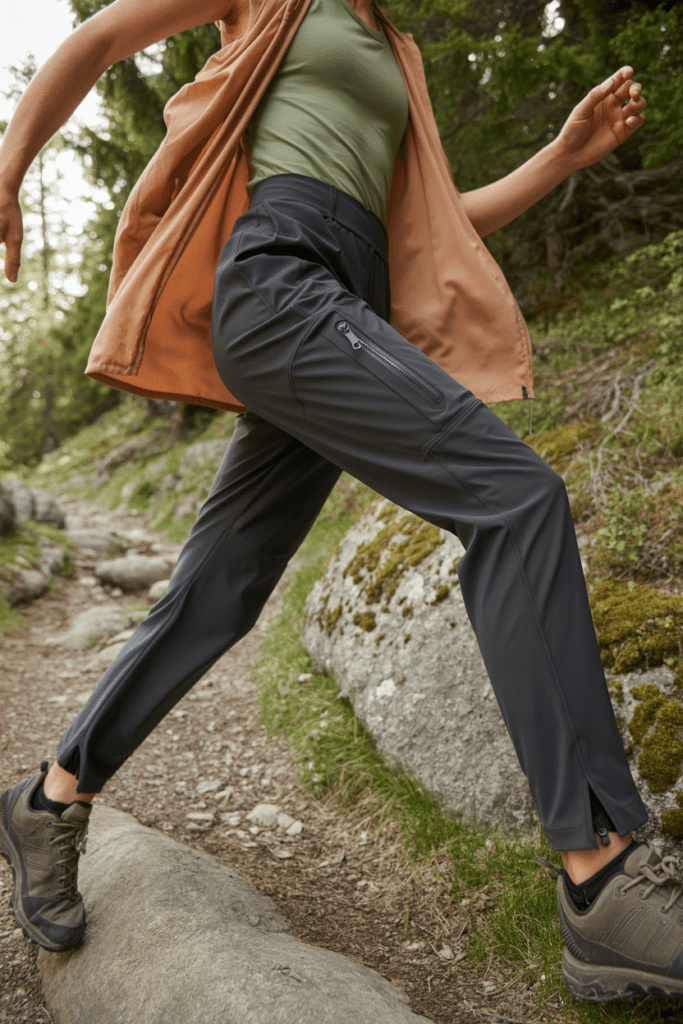
Let’s talk about hiking leggings because not all leggings are created equal.
Your yoga pants? Leave them at home. What you need are leggings specifically designed for trekking with features that make a real difference. I’m talking reinforced knees, abrasion-resistant fabric, and pockets deep enough to actually hold your phone without it bouncing out on every step.
My go-to features include:
- High-waisted designs that stay put when you’re scrambling over rocks
- Four-way stretch fabric for unrestricted movement
- UPF protection for sun safety (your legs will thank you)
- Water-resistant coating for unpredictable weather
- Zippered pockets for securing essentials
Pair these with a longer tunic-style hiking top, and you’ve got an outfit that’s both functional and flattering. IMO, dark colors with subtle patterns hide trail dust better than solid light colors.
The Convertible Pants Comeback
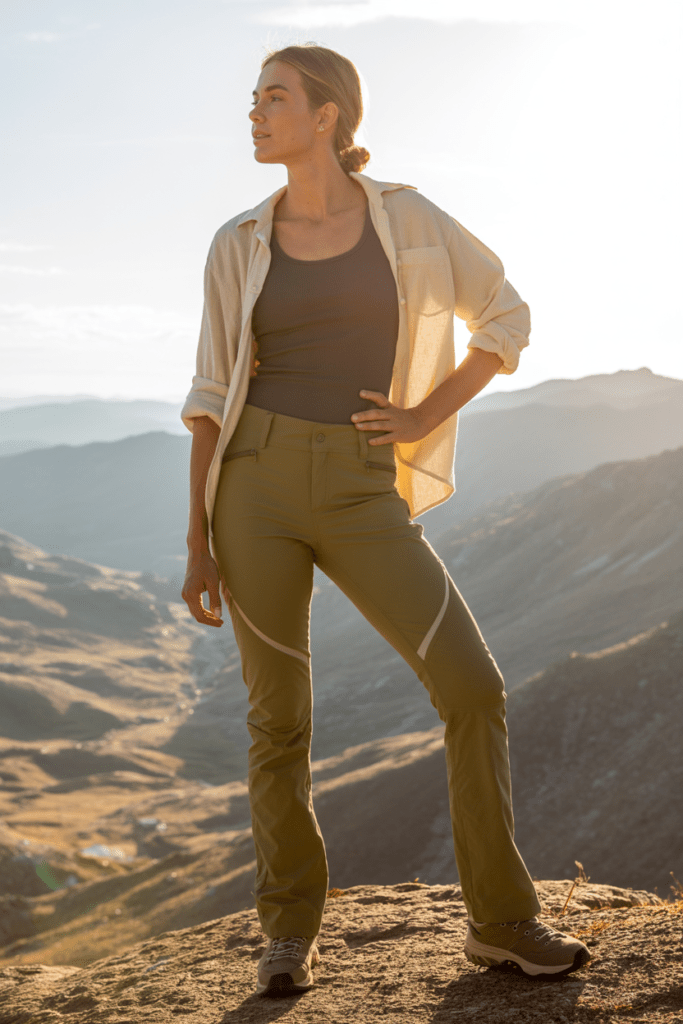
Okay, hear me out on this one. Convertible hiking pants used to be fashion disasters, but brands have seriously stepped up their game.
Modern convertible pants actually look good. I was skeptical too until I found a pair that didn’t make me look like I was headed to a 90s dad convention. The ability to zip off the legs when it gets hot is genuinely genius, especially on hikes with major elevation changes.
What makes them work:
- Slim-fit cuts instead of baggy cargo styles
- Discreet zipper placement that doesn’t scream “convertible”
- Stretchy, lightweight fabric for comfort
- Multiple pockets without looking bulky
Style these with a fitted tank top and a lightweight flannel tied around your waist for that effortlessly cool hiker aesthetic.
Layering Like a Pro
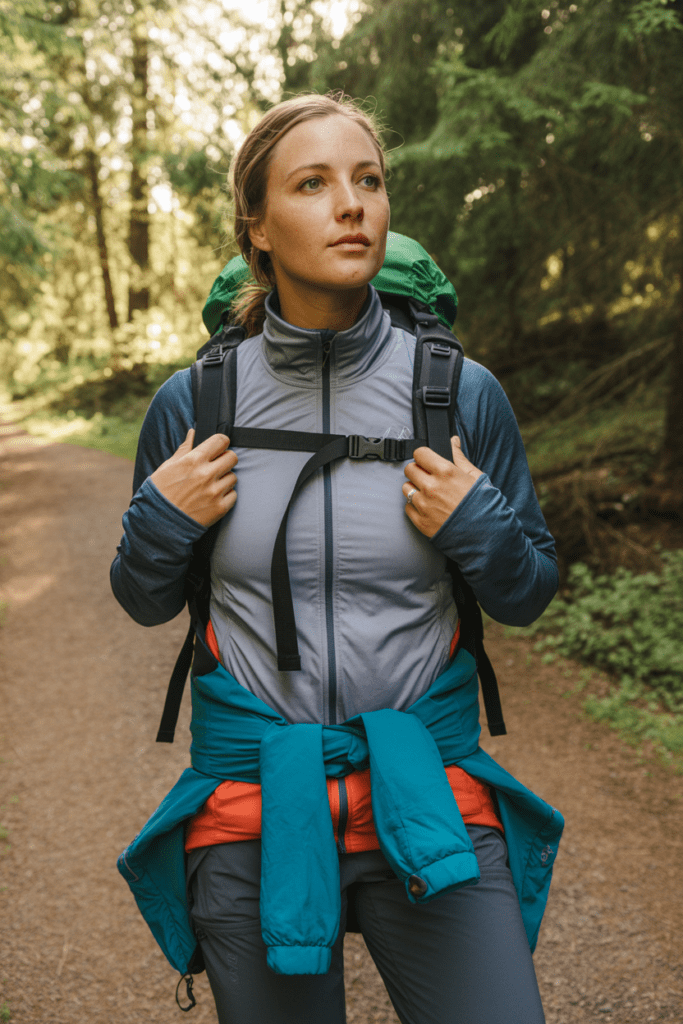
Ever wondered why experienced hikers look like they’re wearing half their closet? Strategic layering is the secret sauce to trekking comfort.
The rule of three changed my hiking life. You need a base layer (moisture-wicking), a mid layer (insulation), and an outer layer (protection). Sounds simple, but the magic is in choosing pieces that work together without making you look like the Michelin Man.
My layering formula:
- Base layer: Moisture-wicking tee or long-sleeve
- Mid layer: Lightweight fleece or down vest
- Outer layer: Waterproof, breathable jacket
The trick is starting cool. You’ll warm up within 10 minutes of hiking, so resist the urge to bundle up at the trailhead. I tie my mid layer around my waist until I need it, which also adds a nice style touch.
The Windbreaker That Does Everything
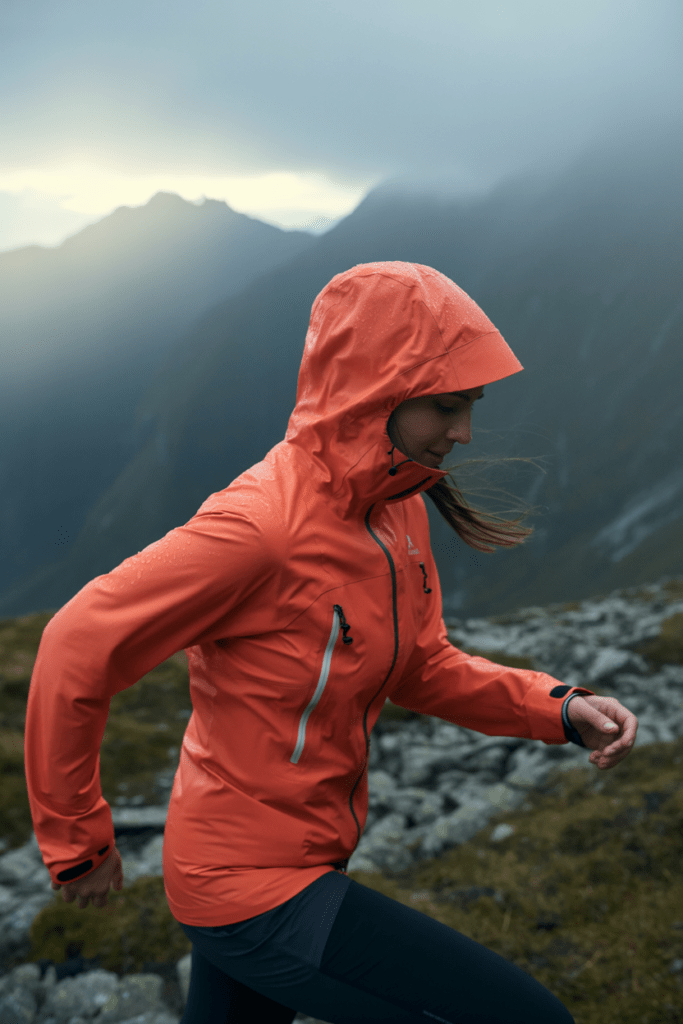
A quality windbreaker jacket is non-negotiable.
But not just any windbreaker—you need one that’s actually waterproof, breathable, and packable. I’ve tried the cheap versions, and they either make you feel like you’re wearing a garbage bag or fall apart after three hikes. Investing in a proper shell jacket is worth every penny.
Look for these features:
- Sealed seams to keep water out
- Adjustable hood that actually fits over a ponytail
- Pit zips for ventilation (game changer on steep climbs)
- Packable design that stuffs into its own pocket
- Longer back hem for coverage when bending
Bright colors like coral, teal, or yellow not only look amazing in trail photos but also make you more visible for safety. Win-win 🙂
Shorts That Won’t Ride Up
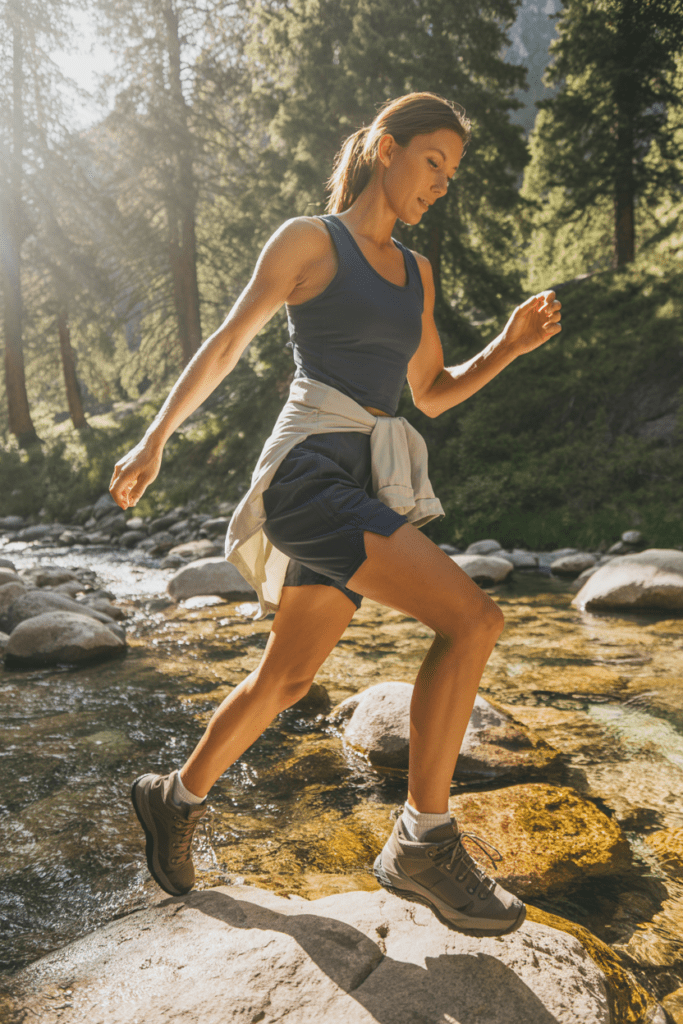
Hiking shorts that stay in place? Yes, they exist, and finding them felt like striking gold.
The struggle with shorts on the trail is real. Too loose and they bunch up. Too tight and they restrict movement. The sweet spot is stretchy, moisture-wicking shorts with a 5-7 inch inseam and built-in liner shorts or compression layers underneath.
My favorites have:
- Stretchy waistband with drawstring
- Secure zip pockets on the sides or back
- Built-in shorts underneath to prevent chafing
- Quick-dry fabric for stream crossings
- Subtle styling that works off-trail too
Pair them with a fitted tank and a lightweight long-sleeve shirt for sun protection, and you’ve got a practical yet cute summer hiking outfit.
The Flannel Shirt Renaissance
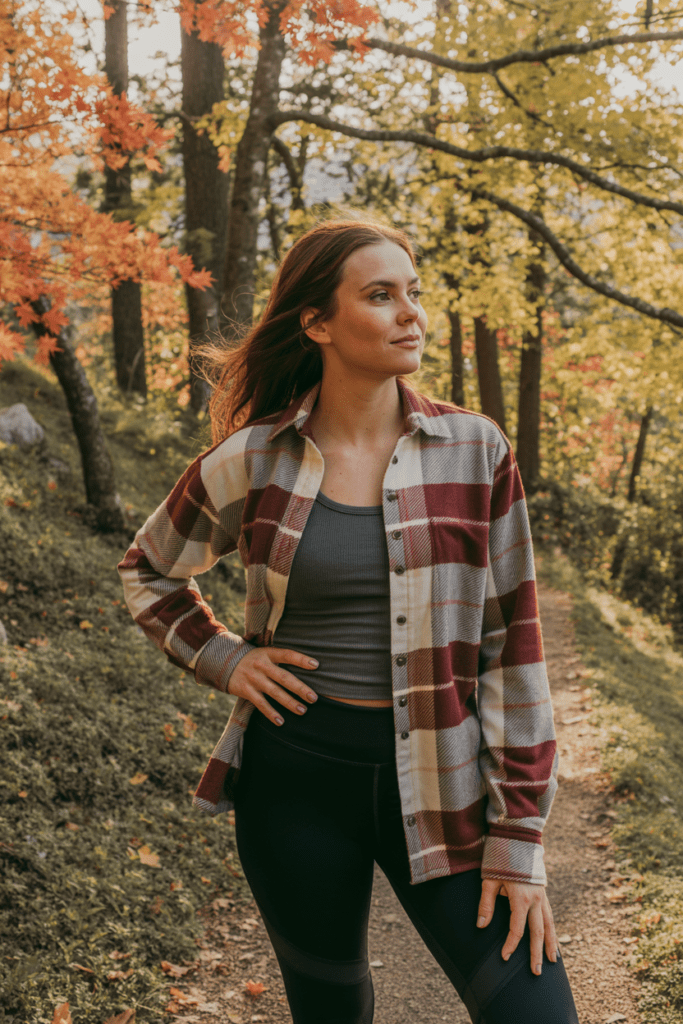
Flannel shirts aren’t just for lumberjacks anymore.
A lightweight flannel is my secret weapon for transitional weather hikes. It works as a mid layer when it’s chilly, ties perfectly around your waist when you warm up, and looks effortlessly stylish in every trail photo. Plus, if you choose the right pattern, it hides trail dirt like a charm.
How I style mine:
- Wear it unbuttoned over a tank for casual vibes
- Tie it around your waist when temperatures rise
- Layer it under your windbreaker for extra warmth
- Wear it solo on mild days with rolled-up sleeves
Choose slim-fit or tailored flannels over boxy ones. They’re more flattering and don’t add unnecessary bulk under your backpack.
The Sports Bra Situation
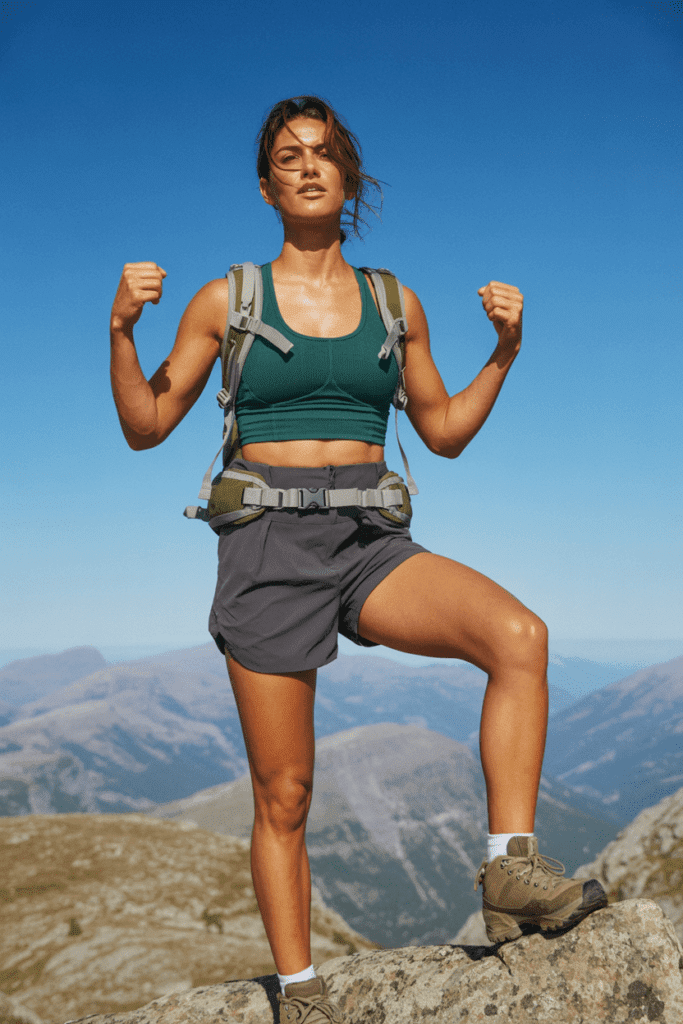
Let’s get real about sports bras for hiking. Who hasn’t dealt with uncomfortable straps digging into your shoulders under a backpack?
The right sports bra makes or breaks your trekking comfort. You need something supportive enough for the terrain but comfortable enough to wear for hours under pack straps. I’ve learned that racerback styles distribute weight better than traditional straps.
Key features to prioritize:
- Racerback design to avoid backpack strap interference
- Moisture-wicking fabric (because sweaty sports bras are the worst)
- Wide, comfortable straps that don’t dig in
- Removable padding for versatility
- Seamless construction to prevent chafing
On hot days, I sometimes wear just a sports bra with high-waisted leggings or shorts. It’s comfortable, and honestly, the trail isn’t a fashion show—comfort wins.
Sock Strategy That Saves Your Feet
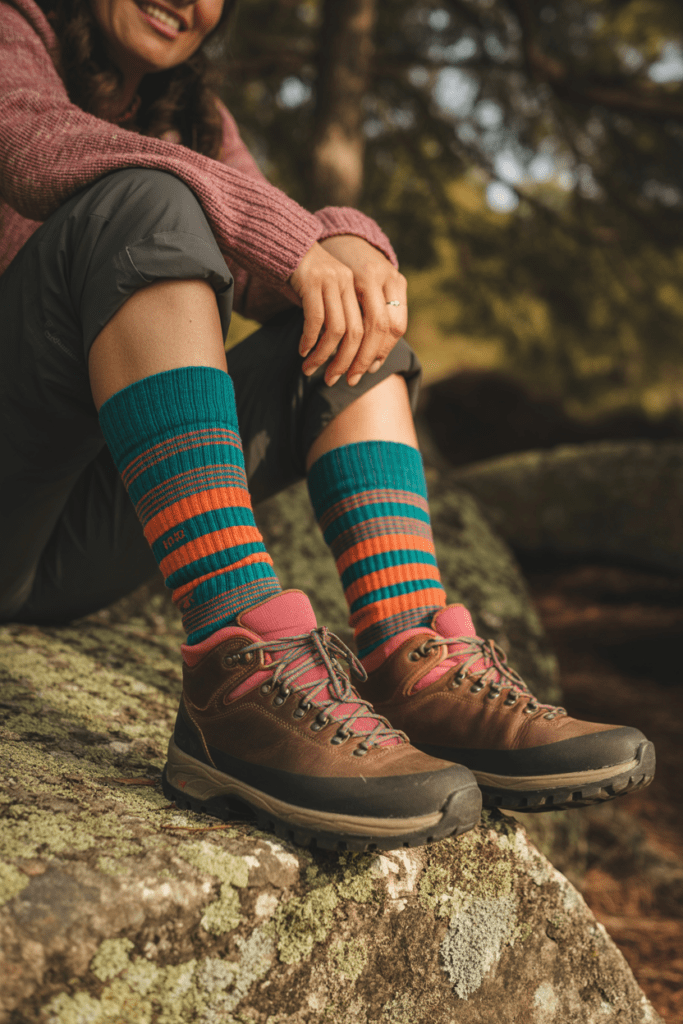
Hiking socks deserve way more attention than they get.
I cannot stress this enough: your socks matter more than almost any other piece of gear. Cheap cotton socks will give you blisters, guaranteed. You need cushioned, moisture-wicking socks that fit your foot properly without bunching.
My sock essentials:
- Merino wool blend for temperature regulation and odor control
- Cushioned footbed for impact absorption
- Seamless toe to prevent friction
- Compression arch support for all-day comfort
- Crew length to prevent boot rub
I always bring an extra pair in my pack. Changing into fresh socks during lunch on a long hike feels absolutely luxurious.
The Puffer Vest Victory
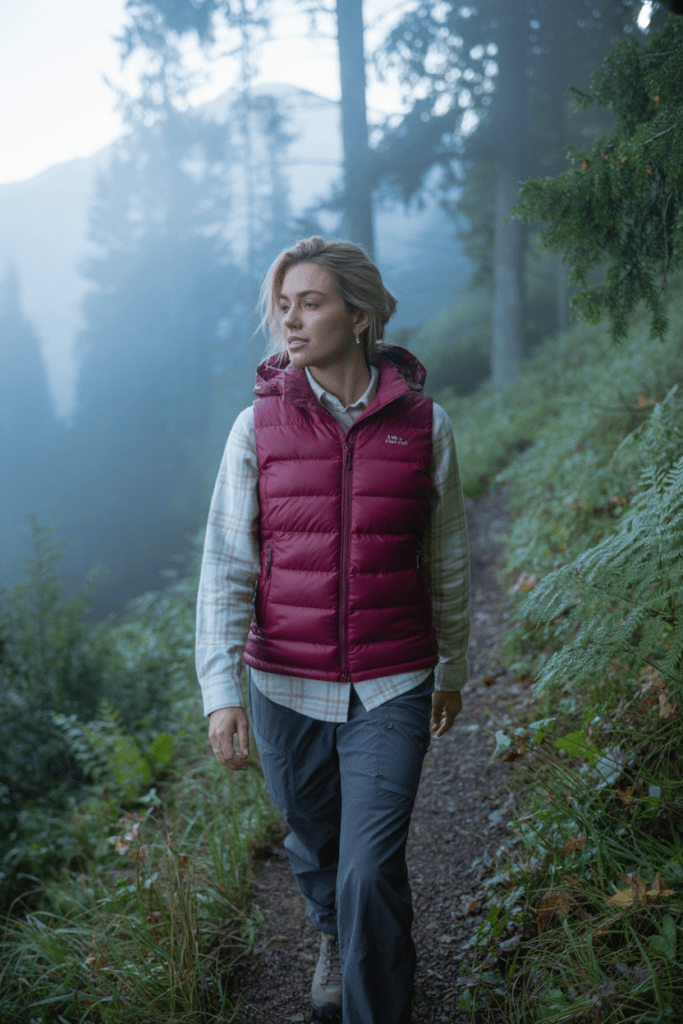
A lightweight puffer vest is my secret to looking pulled-together on chilly morning hikes.
Vests give you core warmth without restricting arm movement—perfect for those early starts when it’s cold but you know you’ll heat up once you get moving. Plus, they pack down tiny and look infinitely more stylish than bulky jackets.
Why I love them:
- Easy to pack when you don’t need them
- Arms stay free for trekking pole use or scrambling
- Looks cute layered over flannel or long-sleeves
- Provides core warmth without overheating
Choose a vest in a fun color or pattern. Mine is a deep burgundy that looks amazing against fall foliage and adds personality to otherwise neutral hiking outfits.
The Rain Pant Reality
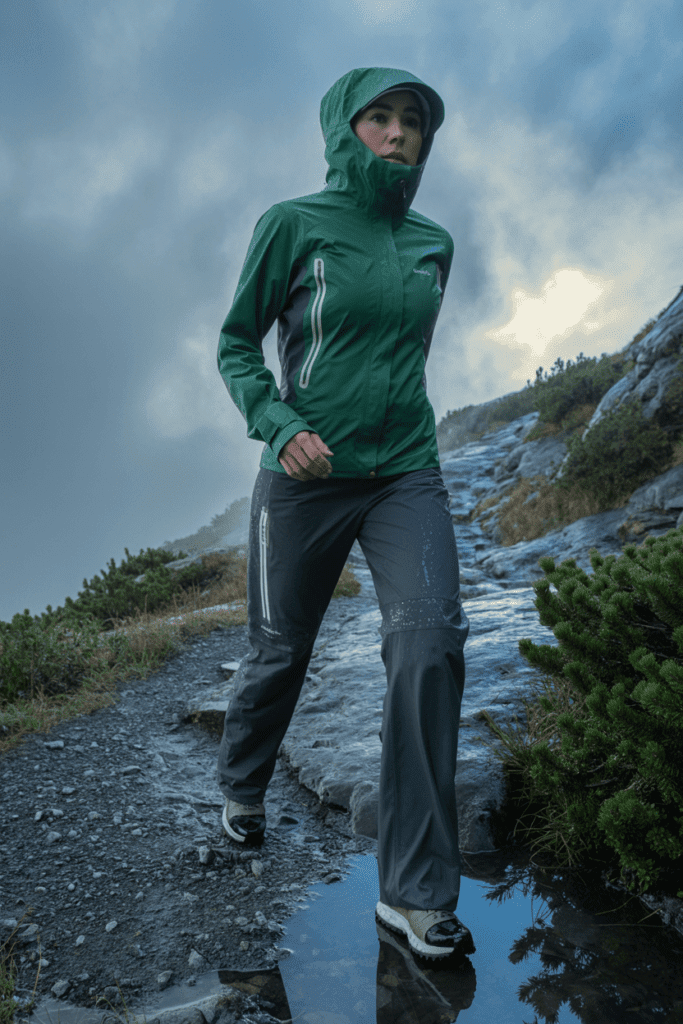
Nobody wants to think about rain pants until they desperately need them.
FYI, getting caught in a downpour without waterproof pants is miserable. But here’s the thing—most rain pants look absolutely terrible. The key is finding a pair with side zips so you can pull them on over your boots, and choosing a slimmer cut that doesn’t make you look like you’re wearing trash bags.
Features that matter:
- Full side zippers for easy on/off
- Adjustable waist and ankles for a better fit
- Packable design that fits in your backpack
- Breathable fabric so you don’t create your own rainstorm inside
- Articulated knees for natural movement
I keep mine in my pack even on sunny days. Mountain weather changes fast, and being prepared beats being sorry (and soaked).
The Sun Protection Uniform
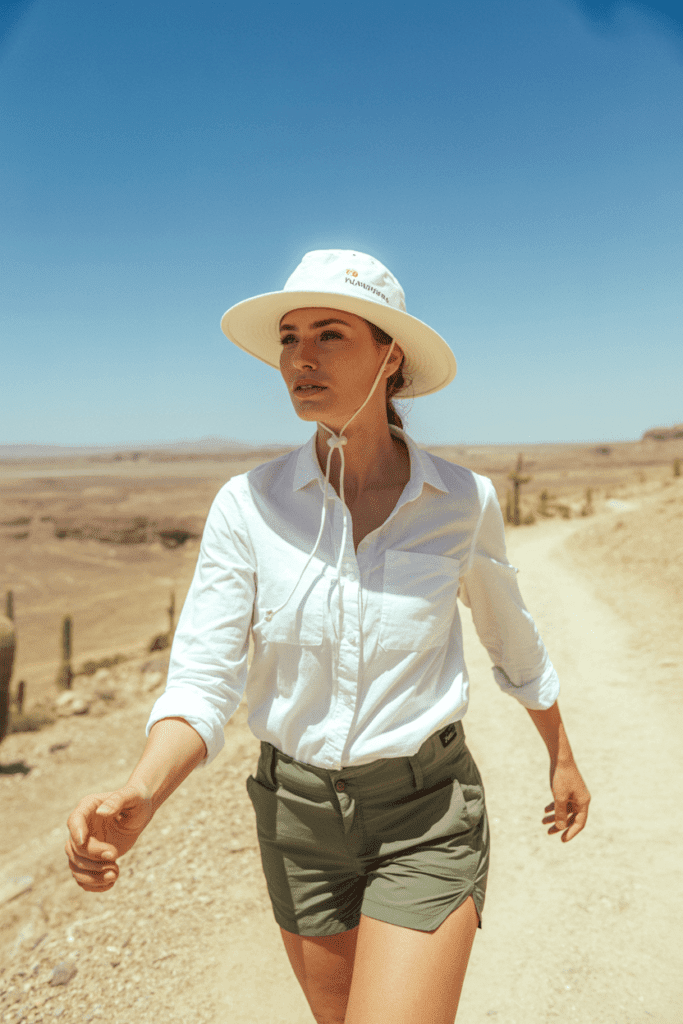
Sun-protective clothing isn’t just functional—it can actually look good.
Long-sleeve shirts with UPF ratings save your skin and keep you cooler than you’d think. Light-colored, loose-fitting tops in breathable fabric reflect heat while protecting you from UV rays. I spent years slathering on sunscreen every hour until I discovered UPF clothing and honestly never looked back.
My sun protection checklist:
- UPF 50+ long-sleeve shirt in light colors
- Wide-brimmed hat that stays secure in wind
- Sunglasses with UV protection (obviously)
- Lightweight sun gloves for extreme exposure
- Neck gaiter or buff for multiple coverage options
Pair a flowy UPF shirt with hiking shorts or leggings, add a wide-brimmed hat, and you’ve got a look that’s both protective and Instagram-worthy.
The Hat Collection Essentials
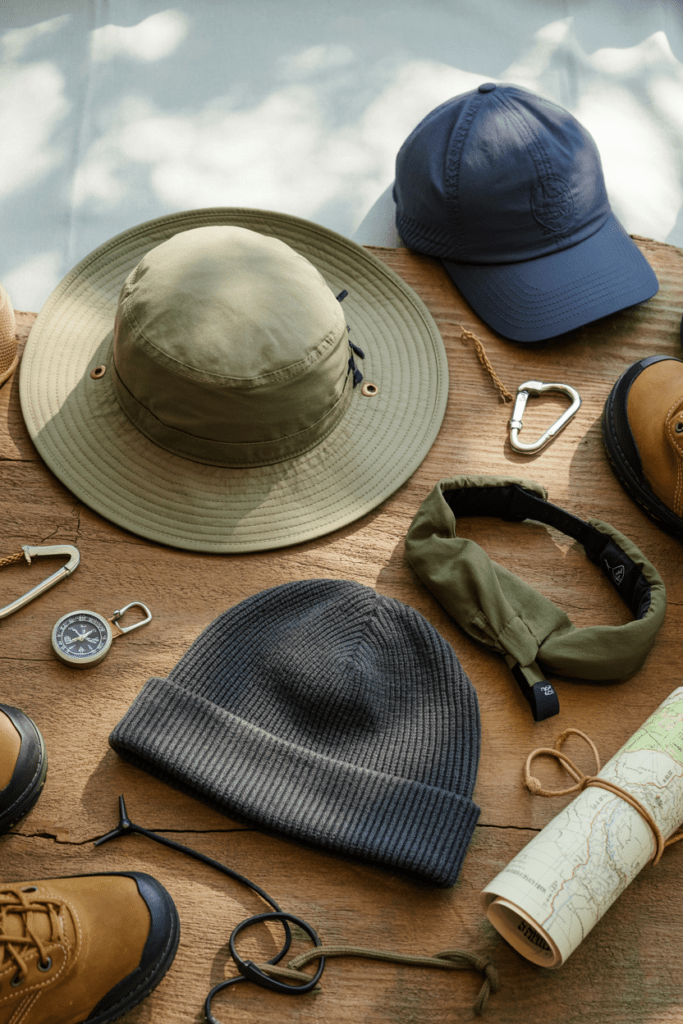
Can we talk about hiking hats for a second? Because they’re not all created equal.
Baseball caps are cute but don’t protect your neck. Bucket hats work but can look frumpy if you don’t style them right. Wide-brimmed adventure hats offer the best sun protection but need a chin strap or they’ll blow away on windy ridges.
My hat rotation includes:
- Wide-brimmed sun hat with chin strap for exposed trails
- Lightweight baseball cap for shaded forest hikes
- Beanie for cold morning starts
- Buff or headband for hot days when I want hair management
The trick with hats is matching them to your outfit colors and face shape. A neutral hat works with everything, but a pop of color can really elevate your look.
The Footwear Foundation
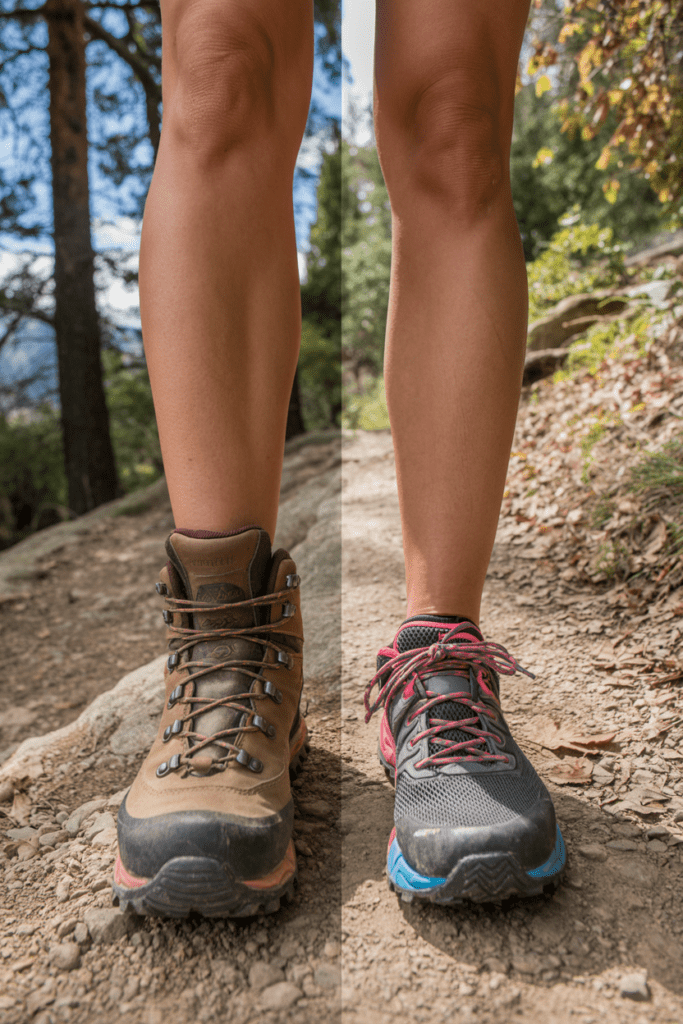
Hiking boots versus trail runners—the age-old debate that I’m about to weigh in on.
Here’s my honest take: trail runners changed my hiking life. They’re lighter, more comfortable, and dry faster than traditional boots. But boots offer better ankle support and protection on technical terrain. I own both and choose based on the trail.
For trail runners:
- Aggressive tread for traction
- Quick-dry materials for stream crossings
- Protective toe cap to save your toenails
- Good arch support for all-day wear
For hiking boots:
- Waterproof membrane (like Gore-Tex)
- Ankle support for heavy packs or rough terrain
- Break-in period before major hikes (seriously, don’t skip this)
- Proper fit with room for your toes on descents
Match your footwear to your outfit—earthy tones work with everything, but colorful trail runners can add personality to neutral hiking outfits.
The Accessory Additions
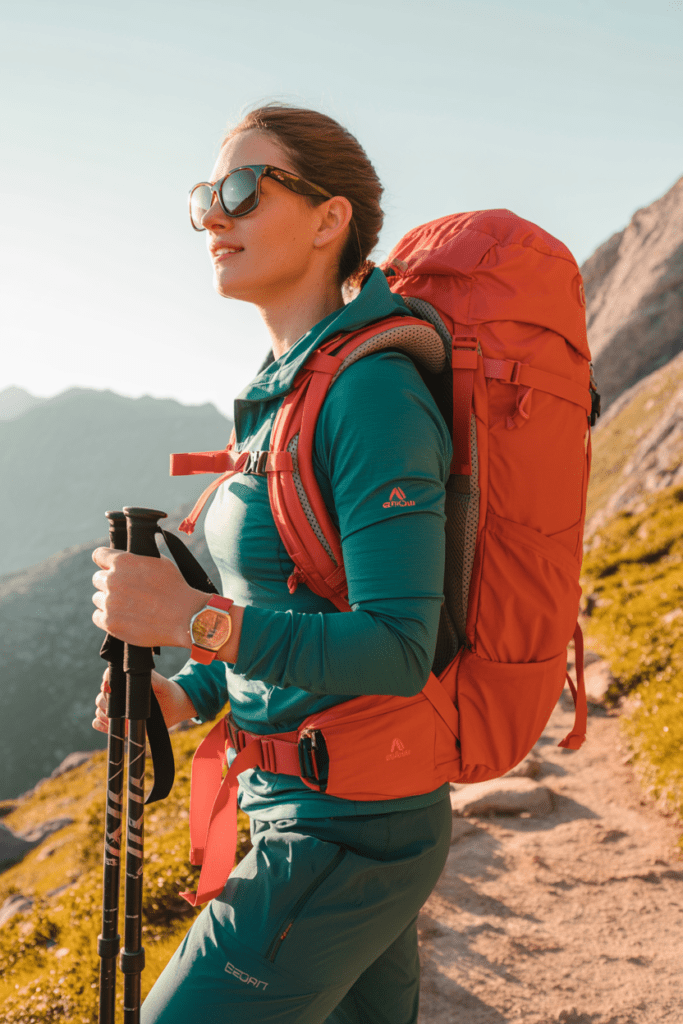
Let’s finish strong with hiking accessories that complete your look while adding function.
The right accessories tie your whole outfit together and solve practical trail problems. I’m talking about those finishing touches that make you look like you know what you’re doing (even if you’re still figuring it out).
Must-have accessories:
- Lightweight backpack in a complementary color (20-30L for day hikes)
- Hydration bladder or water bottles (staying hydrated is non-negotiable)
- Trekking poles that collapse for easy packing
- Small crossbody or waist pack for quick-access items
- Sunglasses with retainer strap so they don’t fall off
- Watch or fitness tracker for navigation and stats
Choose accessories in colors that coordinate with your main outfit pieces. My teal backpack matches my windbreaker accents, creating a cohesive look that feels intentional.
Your Trekking Wardrobe Awaits
There you have it—15 trekking outfit ideas that prove you don’t have to choose between looking good and staying comfortable on the trail.
The truth is, when you feel good in what you’re wearing, you hike better, push further, and actually enjoy the experience more. I learned this after too many uncomfortable miles in the wrong gear, and I hope this saves you from making the same mistakes.
Start with the basics—good socks, proper footwear, and moisture-wicking layers. Build from there based on your local climate and preferred trails. Remember, the best hiking outfit is one you’ll actually wear, so choose pieces that match your personal style while meeting technical requirements.
Now get out there and hit those trails looking absolutely fabulous. And when someone asks where you got your outfit? Tell them Freya sent you 🙂
Happy hiking!
Freya Weston
thehousedrop


Wish there were more verity in adjustable ware. More info for good fitting foot ware
Thank you for pointing that out — you’re absolutely right that adjustable and well‑fitting footwear options don’t get enough attention. Comfort and proper fit are just as important as style, and I’ll make sure to highlight more practical choices and resources in future posts.