A workout only counts if the hairstyle survives it. Sweat, movement, and repeated reaching overhead put serious strain on any hairdo, and the wrong style can turn a solid gym session into a constant battle with loose strands and slipping elastics. The right hairstyle, on the other hand, stays put through burpees, sprints, and downward dogs without a single readjustment.
This guide breaks down 15 gym-ready hairstyles that combine security, comfort, and style. Each option suits a different hair length, texture, or workout intensity, so there’s a practical pick here regardless of hair type or fitness routine.
Why Gym Hairstyles Need Their Own Rules
Everyday hairstyles rarely hold up under the demands of exercise. Sweat weakens hair ties, friction from repeated head movement loosens braids, and hair that sits directly on the neck traps heat during cardio.
A good workout hairstyle needs to meet three criteria:
- Security – it should stay in place through jumping, bending, and twisting
- Comfort – no tight pulling at the hairline or scalp tension headaches
- Breathability – hair off the neck and face improves airflow and reduces overheating
Every style on this list was chosen with these three factors in mind.
1. The Classic High Ponytail
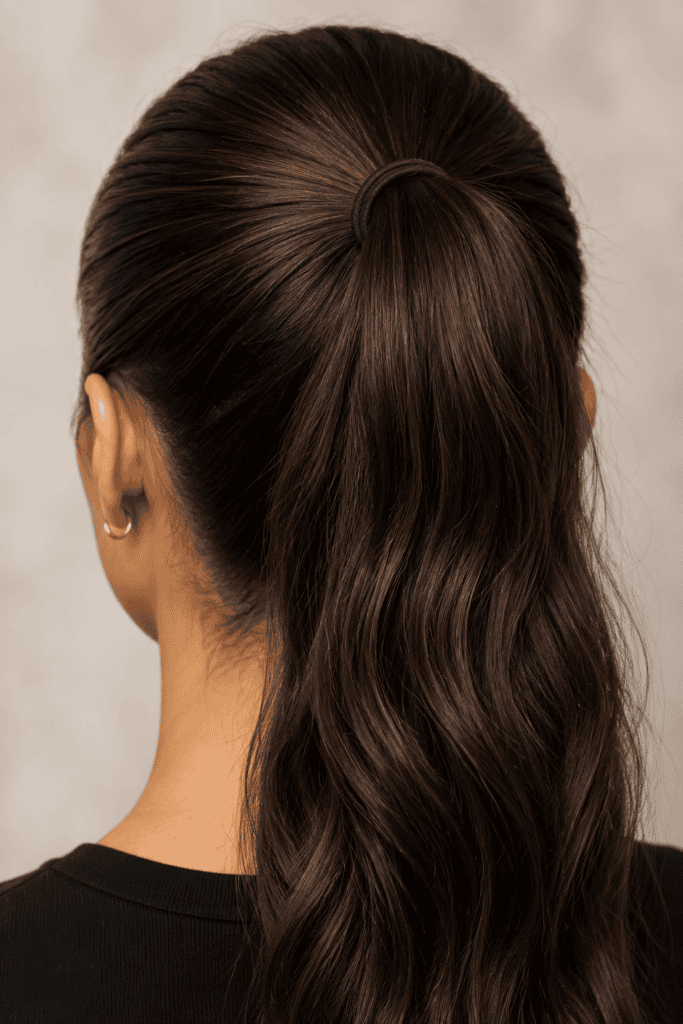
The high ponytail remains a gym staple for good reason. Positioned at the crown, it keeps hair off the neck and shoulders, which matters most during high-intensity intervals or hot yoga sessions.
How to secure it:
- Brush hair back smoothly before tying to prevent bumps
- Use a snag-free elastic to avoid breakage
- Add a second elastic a few inches below the first for extra hold during high-impact workouts
This style works best for straight to wavy hair of medium to long length.
2. The Low Ponytail for Weightlifting
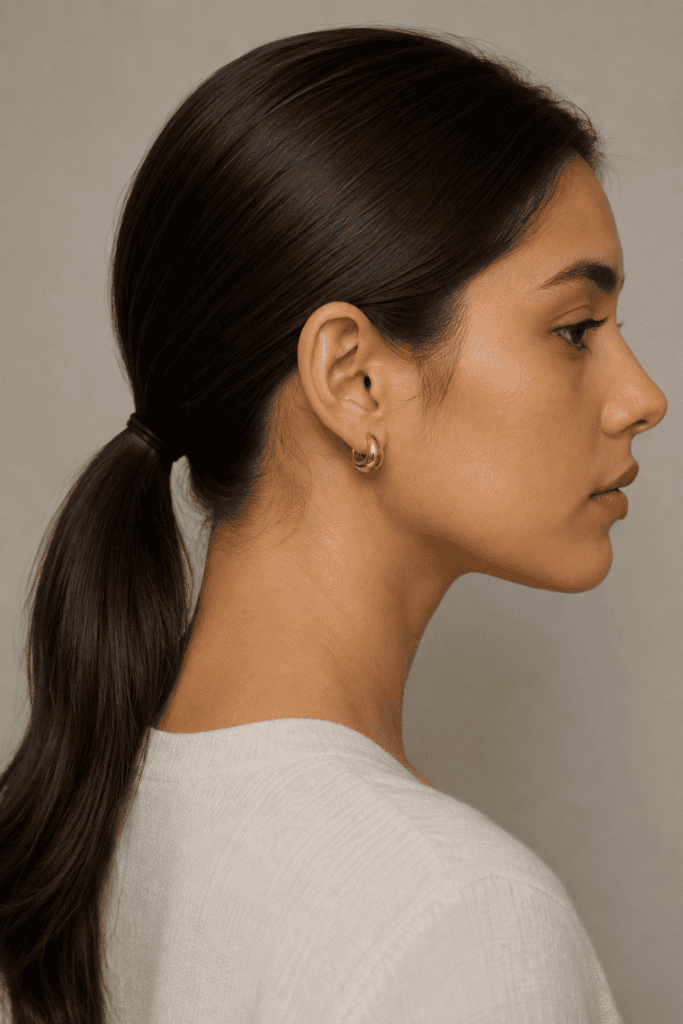
While high ponytails suit cardio, a low ponytail is often better for weightlifting and floor work. Sitting at the nape keeps the head balanced when lying back on a bench or resting the head against a mat.
The lower position also reduces strain on the scalp during repetitive movements like deadlifts, where head position shifts frequently.
3. The Double Dutch Braid
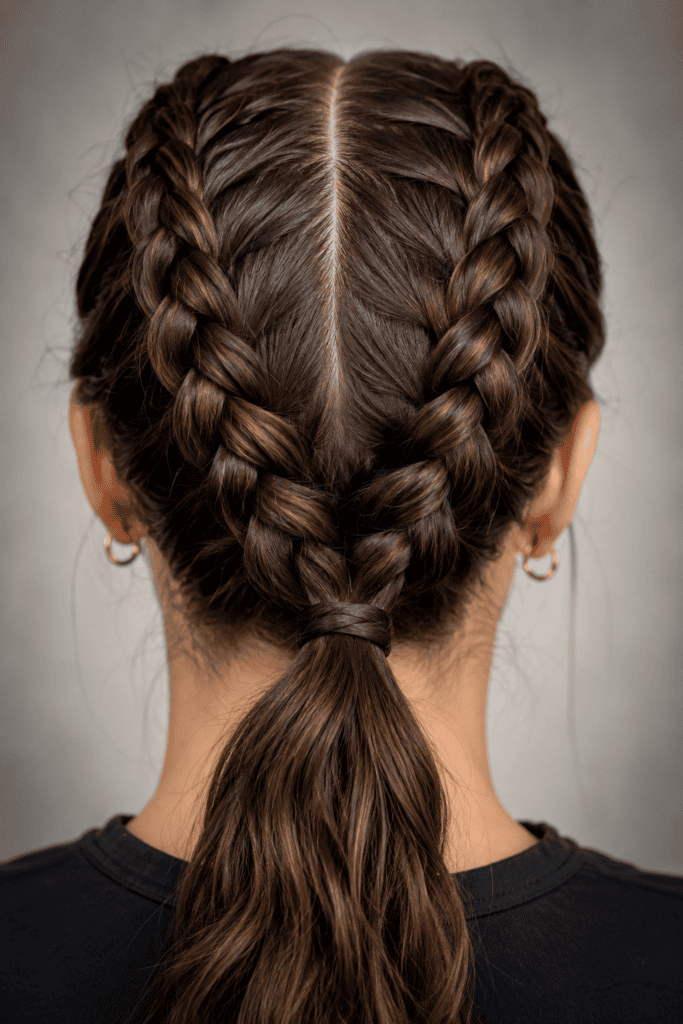
Dutch braids sit closer to the scalp than French braids, which makes them significantly more resistant to slipping during movement. Two Dutch braids running from the front hairline to the nape keep hair fully controlled through any workout, including inverted poses in yoga or Pilates.
Styling tips:
- Start braiding at the hairline for maximum grip
- Secure ends with small elastics
- Combine both braids into one ponytail at the base for added security
4. The Braided Ponytail
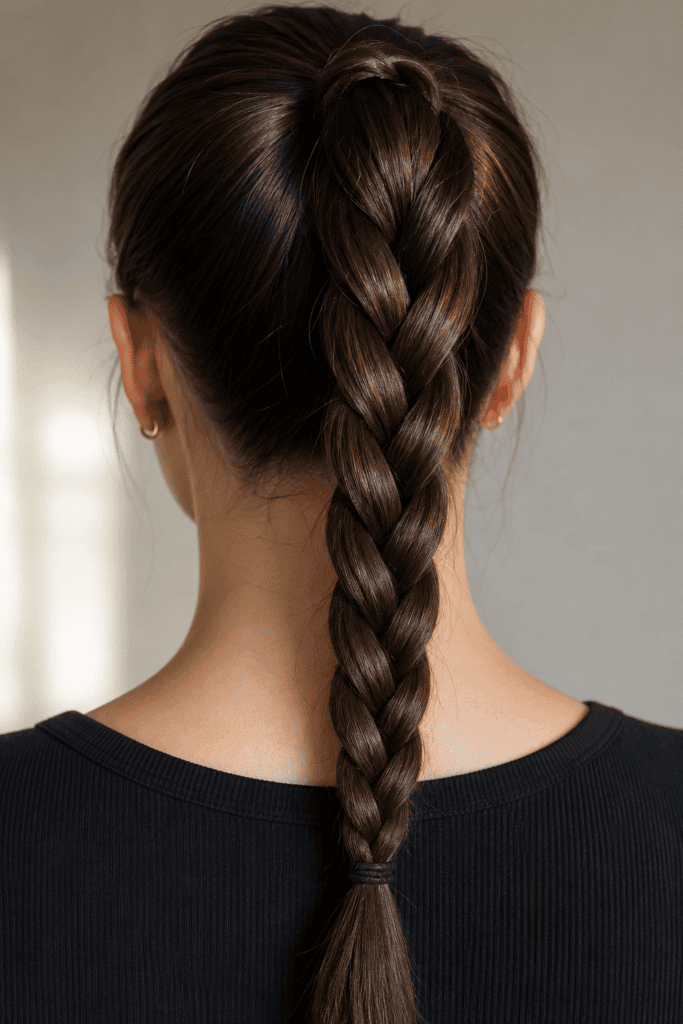
For a style that takes less time than a full braid but offers more hold than a plain ponytail, a braided ponytail works well. Pulling hair into a high or mid ponytail and then braiding the length keeps the tail from swinging or tangling during running or rope work.
This hybrid style suits people who want structure without the full commitment of a scalp braid.
5. The Space Buns
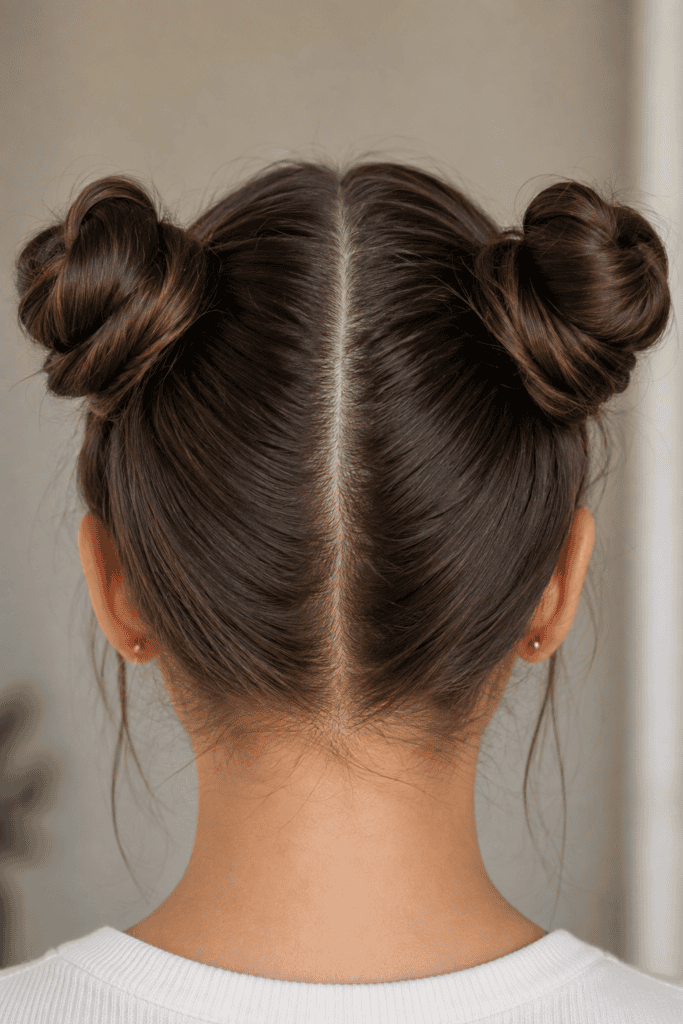
Space buns divide hair into two sections and twist or wrap each into a bun on either side of the head. This style distributes tension evenly across the scalp rather than concentrating it at one point, which many find more comfortable during longer sessions.
Best suited for:
- Medium to long hair
- Dance-based workouts or cardio classes
- Anyone wanting a style that also looks put-together outside the gym
6. The Top Knot
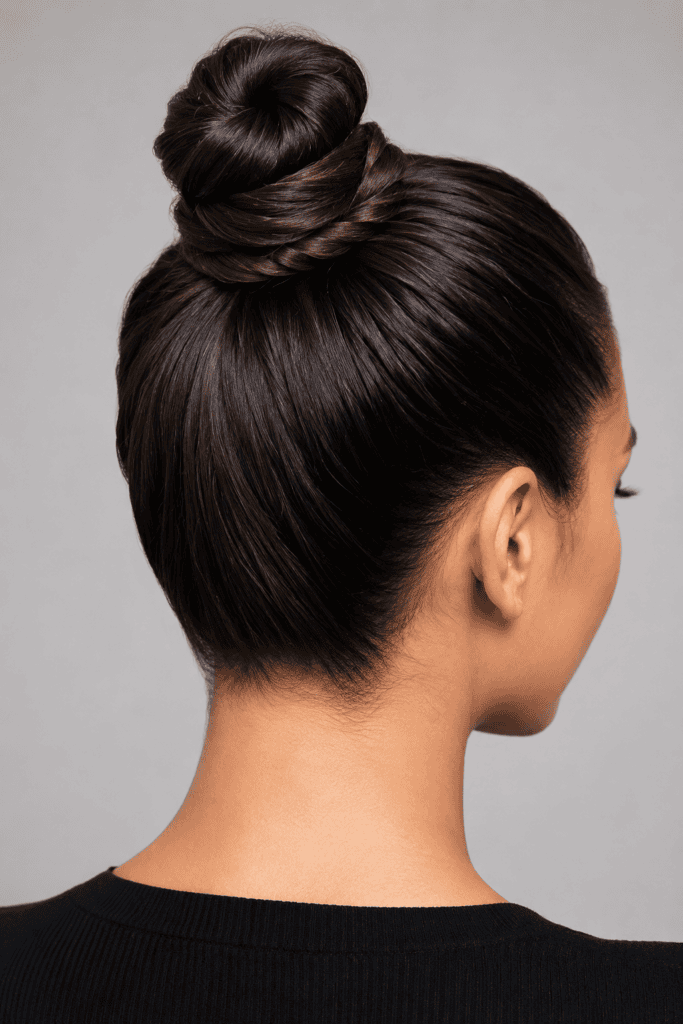
A top knot places all the hair in a single bun at the crown, keeping it completely off the neck and shoulders. It’s a strong choice for hot yoga, spin classes, or any workout involving a lot of forward bending, since the bun stays clear of the face.
Twisting the ponytail before wrapping it into a bun, rather than simply looping it, adds extra grip and reduces slipping.
7. The Half-Up Half-Down Style
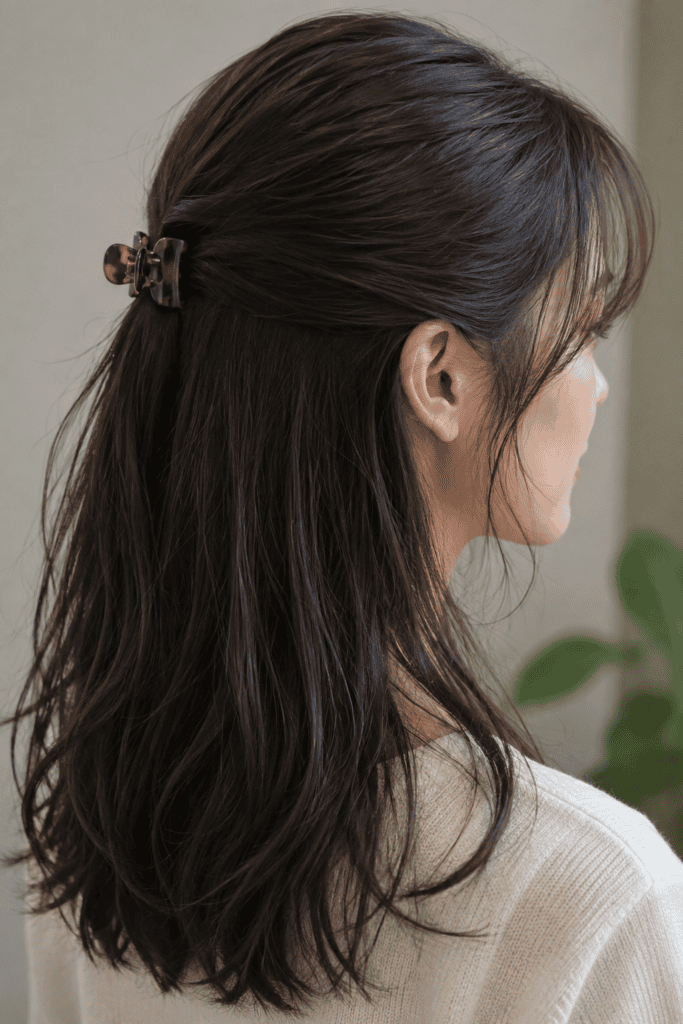
Not every workout calls for hair fully off the face. For lower-intensity sessions like walking, light strength training, or stretching, a half-up half-down style keeps the front section secured while leaving the rest loose.
This style works particularly well for shorter hair that isn’t long enough for a full ponytail but still gets in the way during movement.
8. The French Braid Crown
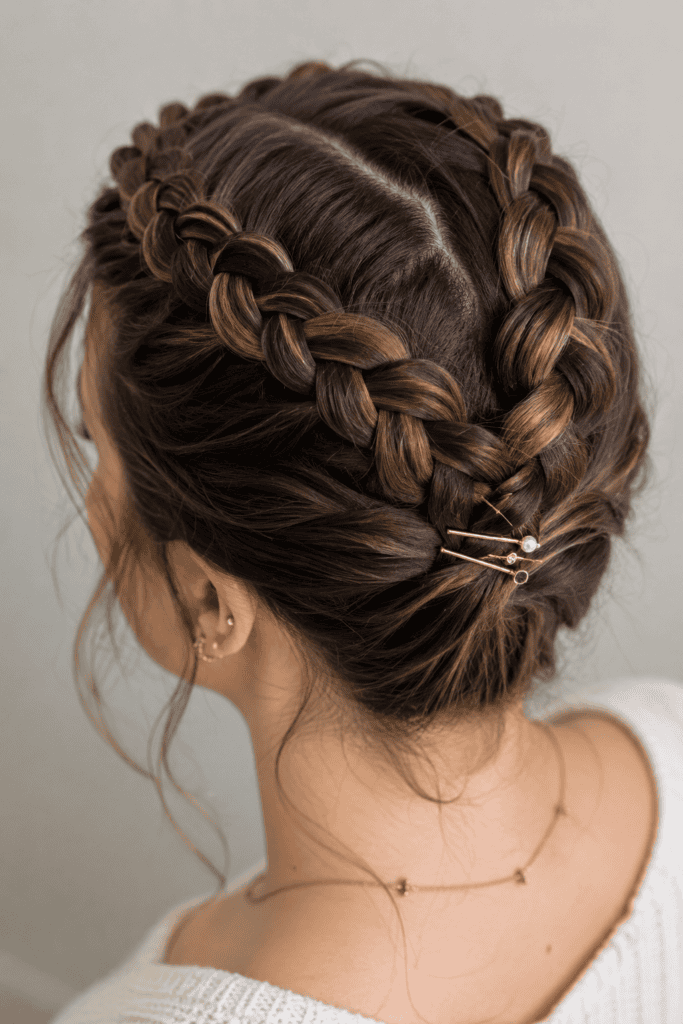
A braided crown, formed by French braiding from each side of the head and pinning the ends at the back, keeps hair fully off the face and neck without a single loose strand. This structure holds up especially well for outdoor running or cycling, where wind is a factor.
Because the braids sit flat against the scalp, this style also works under helmets or headbands without shifting.
9. The Fishtail Braid Ponytail
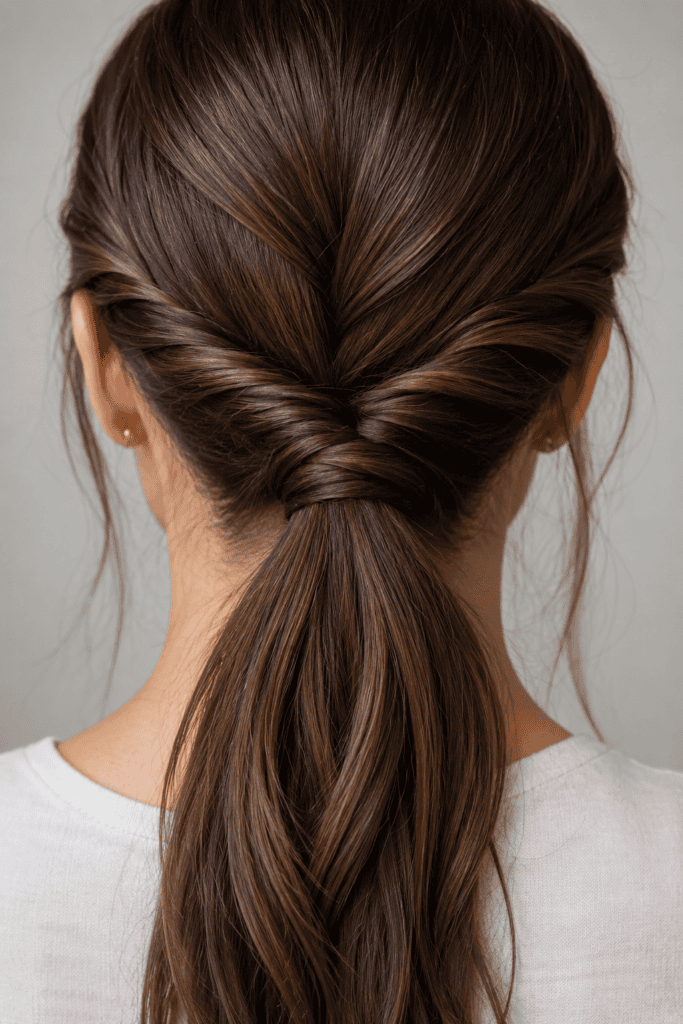
A fishtail braid adds texture and visual interest to a basic ponytail while offering the same functional benefits as a standard braid: reduced tangling and better hold during movement.
Why it works for the gym:
- Tighter weave resists loosening from sweat
- Distributes hair evenly, reducing weight on one section
- Looks polished enough to transition straight from workout to errands
10. The Twisted Ponytail
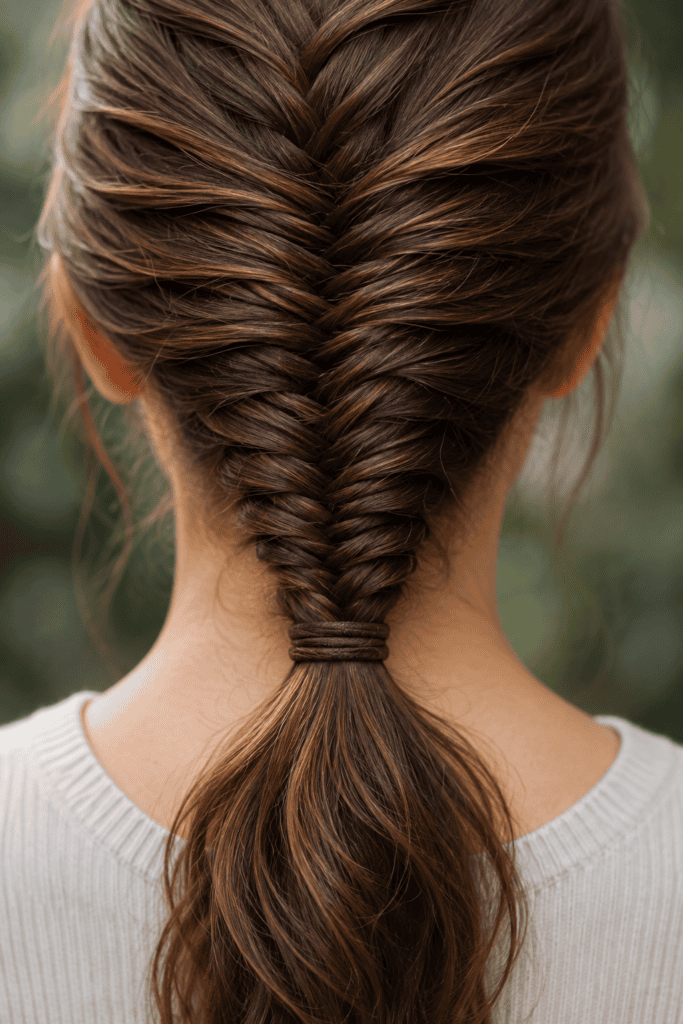
For a quick style that still offers more grip than a plain ponytail, twisting the hair before securing it adds texture and tension that resists slipping. This is a fast option for early morning workouts when time is limited.
11. The Headband Ponytail Combo
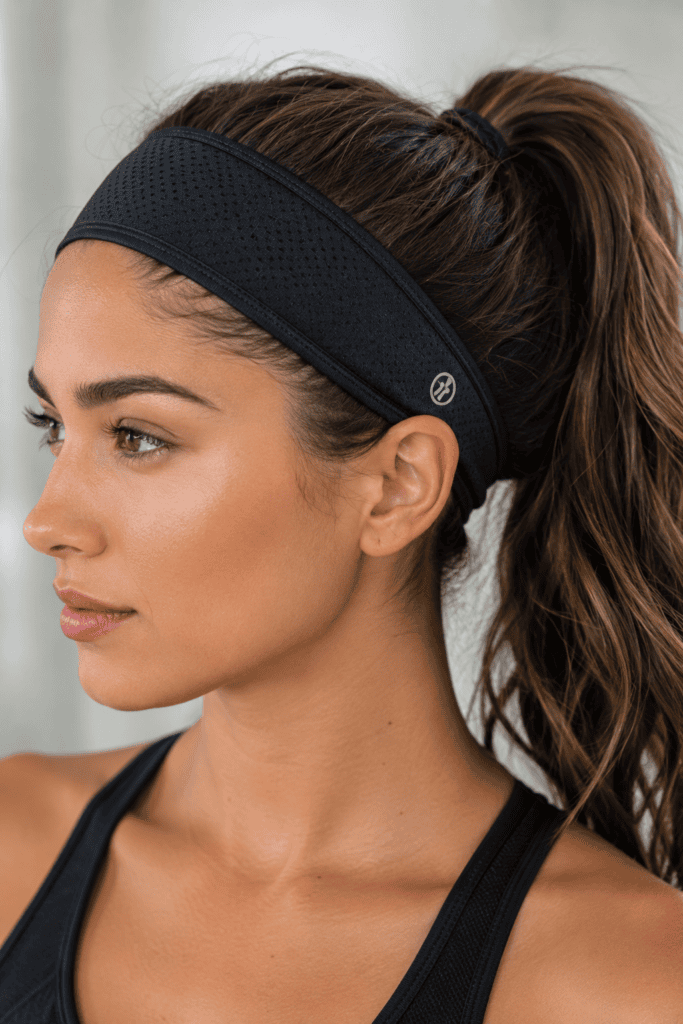
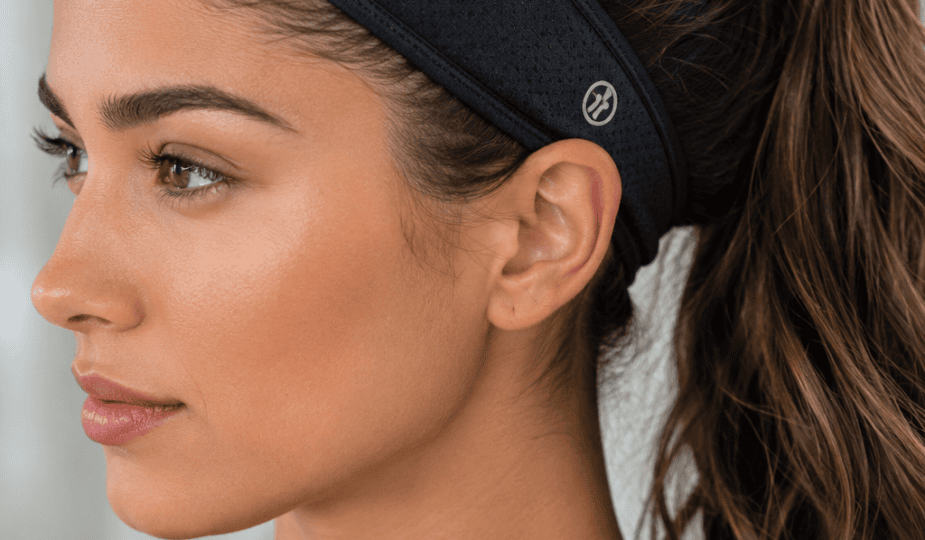
Combining a sweat-wicking headband with a ponytail solves two problems at once: it keeps flyaway strands controlled at the hairline and absorbs sweat before it reaches the eyes. This combination suits high-sweat activities like HIIT, boxing, or outdoor running in warm weather.
Look for headbands made from moisture-wicking fabric rather than cotton, which tends to soak through and slide.
12. The Low Bun for Yoga and Pilates
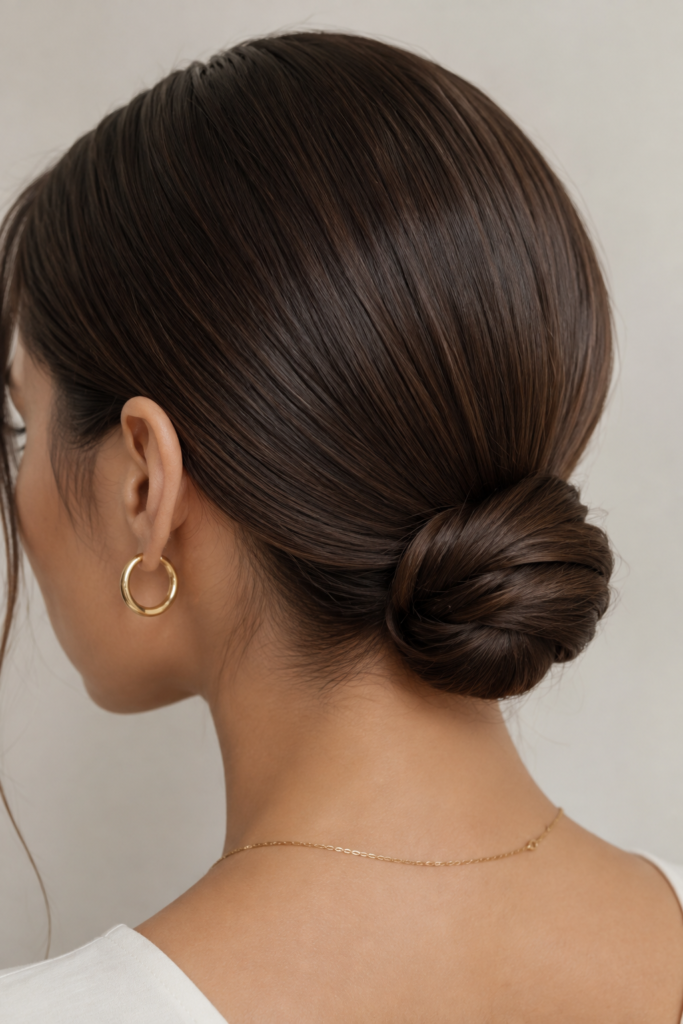
Inverted poses and floor work call for a hairstyle that won’t create discomfort when lying down or resting the head. A low, flat bun at the nape avoids pressing into the skull during these positions, unlike a high bun or top knot.
This style also holds up well through slow, controlled movements where hair has time to shift gradually rather than being jolted into place.
13. The Cornrows or Protective Braids
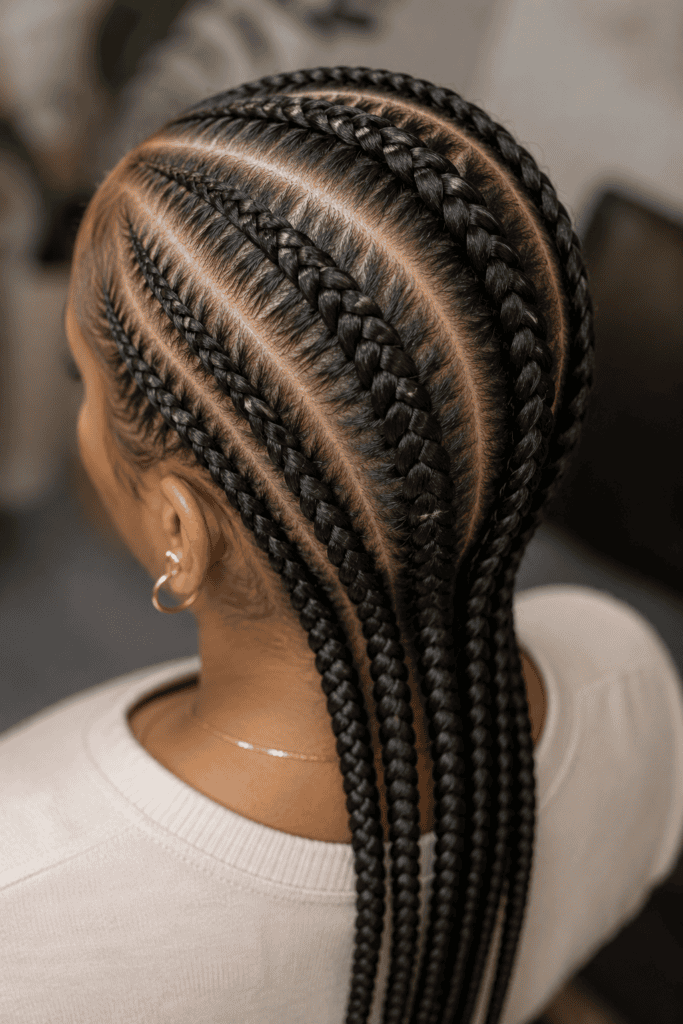
For those managing textured or curly hair, protective braids or cornrows offer one of the most durable options for regular workouts. These styles eliminate the need for daily restyling and hold up consistently across multiple sweat sessions.
Advantages include:
- No daily manipulation, which reduces breakage over time
- Consistent hold regardless of workout intensity
- Compatible with headwraps or caps for added sweat protection
14. The Slicked-Back Bun with Gel
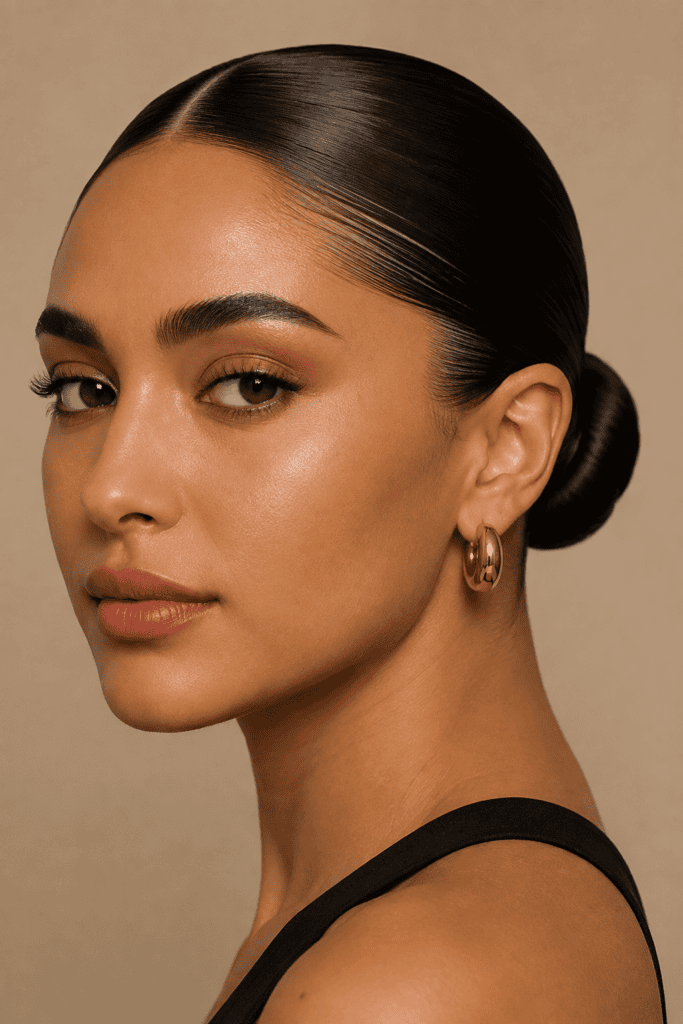
For workouts involving a lot of head movement, such as martial arts or dance cardio, a slicked-back bun using a small amount of gel at the hairline prevents flyaways from escaping throughout the session. The gel creates a smooth base that holds even as sweat builds up.
This style works particularly well for shorter hair lengths that don’t hold a standard bun well without extra grip.
15. The Wrapped Ponytail
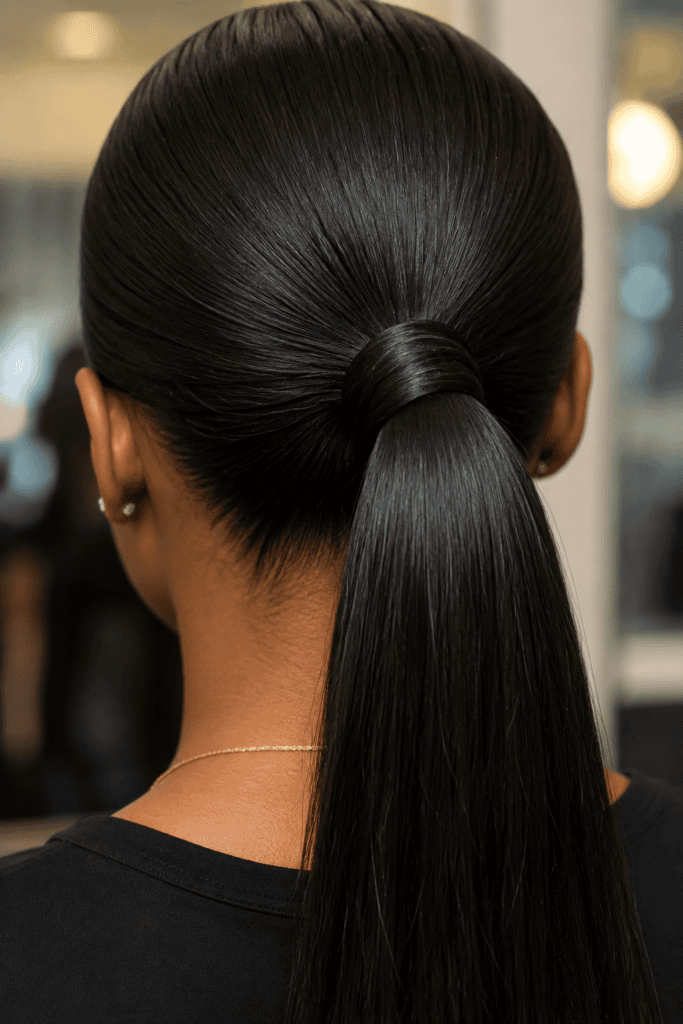
A wrapped ponytail takes a small section of hair from the base of the tail and wraps it around the elastic to conceal it. Beyond the visual upgrade, the wrap adds a layer of tension that helps prevent the elastic from sliding down during repetitive motion.
This finishing touch works with nearly any ponytail height, from low buns to high ponytails, and takes under a minute to add.
Choosing the Right Style by Workout Type
Different workouts put different kinds of stress on hair, so matching the style to the activity improves both comfort and hold.
| Workout Type | Best Hairstyle Options |
|---|---|
| Running/Cycling | Braided crown, headband ponytail combo |
| Weightlifting | Low ponytail, low bun |
| HIIT/Cardio | High ponytail, space buns |
| Yoga/Pilates | Low bun, top knot |
| Dance/Cardio classes | Space buns, slicked-back bun |
| Swimming | Braided ponytail, cornrows |
Common Mistakes That Undo a Good Gym Hairstyle
Even the right style can fail if a few key details get overlooked.
- Using the wrong elastic – thin or metal-clasped ties snag and break hair faster than silicone or fabric-coated versions
- Tying hair too tight – excessive tension at the hairline can cause headaches and, over time, contribute to hair thinning at the temples
- Skipping prep products – a light texturizing spray or gel at the hairline helps control flyaways before they start
- Ignoring hair length changes – a style that worked at shoulder length may need adjusting once hair grows past it
Final Thoughts
The right gym hairstyle comes down to matching hair length, texture, and workout type to a style built for security and comfort. A high ponytail suits fast-paced cardio, a low bun protects comfort during floor work, and braided styles offer the most durable option for high-sweat or high-movement activities.
Testing a few different styles across different workout types makes it easier to identify which ones hold up best for a specific hair type and routine. A